Privacy-Preserving Identity Verification: How Crypto Keeps Your Data Safe Without Giving It Away
When you sign up for a service online, you’re usually forced to hand over your name, ID, address, and sometimes even a selfie. But what if you could prove you’re over 18, or a citizen, or a verified user—without showing any of that info? That’s privacy-preserving identity verification, a system that confirms identity using cryptographic proofs instead of raw personal data. It’s not science fiction—it’s already live in crypto projects like Data Ownership Protocol and Beldex.
This isn’t just about hiding your data from advertisers. It’s about survival in places where governments track every transaction, or where banks freeze accounts based on vague risk flags. Privacy-preserving identity verification uses zero-knowledge proofs, encrypted ledgers, and selective disclosure to let you share only what’s necessary. For example, privacy-preserving identity verification lets you prove you passed a KYC check without revealing your passport number. Formal verification ensures the code behind these systems can’t be tricked or hacked. And blockchain identity ties these proofs to your wallet, not your email or phone number—so no central company can sell or leak your info.
Real-world use cases are already here. In censored countries, people use Beldex’s encrypted messaging and anonymous transactions to stay connected without fear. Businesses use DOP to meet compliance rules while keeping customer data private—no more sending entire credit histories just to open an account. Even insurance companies are testing similar systems to fight fraud without digging into personal medical records. The goal isn’t anonymity for criminals—it’s control for everyone else. You decide what to share, when, and with whom.
What you’ll find below aren’t just tech deep dives. These are real stories: how a crypto debit card shut down because it couldn’t protect user data, how a mining ban in Canada forced a rethink of digital identity, and how a $10 billion scam network got taken down by tracing digital footprints—not personal details. Some posts show you the tools. Others warn you about the traps. All of them tie back to one truth: if you’re using crypto, you’re already part of this shift. The question isn’t whether privacy matters. It’s whether you’re using systems that actually protect it.
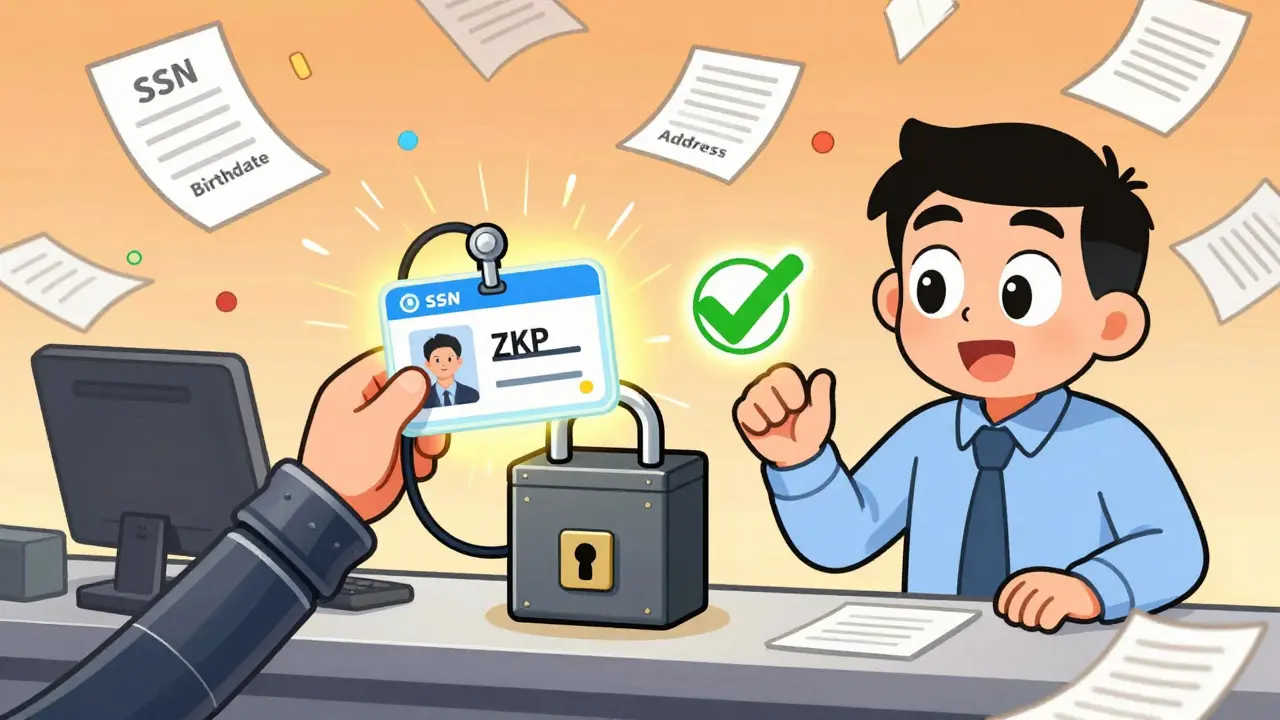
Privacy-preserving identity verification uses blockchain, zero-knowledge proofs, and decentralized IDs to let you prove who you are without sharing your personal data. It's transforming banking, healthcare, and government services.