Shwe Kokko Crypto Fraud: Scams, Red Flags, and How to Avoid Losing Money
When you hear about Shwe Kokko crypto fraud, a deceptive scheme disguised as a legitimate cryptocurrency project tied to a real-world location. Also known as Shwe Kokko token scam, it’s not a coin—it’s a trap. This isn’t just another meme token with no value. It’s a fully engineered theft, using fake websites, cloned social media accounts, and promises of free tokens to steal private keys and drain wallets. The name "Shwe Kokko" sounds like it could be a real place—maybe a mining operation, a gaming hub, or a regional crypto initiative. But there’s no official project behind it. No team. No whitepaper. No exchange listings. Just a name borrowed from a town in Myanmar to make the scam feel real.
These scams don’t work because they’re clever—they work because they’re simple. You get a Telegram message: "Join the Shwe Kokko airdrop, claim your 500 tokens for free!" You click, connect your wallet, and boom—your ETH or BNB is gone. The same pattern shows up in fake airdrops like VDV VIRVIA, a fake crypto shopping scam that stole thousands from unsuspecting users, or the GZONE airdrop, a non-existent token used to lure victims into phishing links. These aren’t isolated cases. In 2025, over 70% of reported crypto losses came from fake airdrops and fake projects using geographic names to build false credibility.
What makes these scams dangerous is how they mimic real projects. They copy the design of legit exchanges, use fake testimonials, and even create YouTube videos with actors pretending to be developers. But the signs are there if you know where to look. No team names? Red flag. No audit? Red flag. Airdrop that asks you to connect your wallet before claiming? That’s not an airdrop—it’s a heist. Real airdrops, like the SAKE airdrop, a legitimate reward system tied to active trading on SakePerp, don’t ask for your private key. They don’t rush you. They don’t promise instant riches.
If you’ve ever wondered why so many people lose money in crypto, it’s not because the tech is too hard. It’s because scammers are good at pretending to be something they’re not. The Shwe Kokko crypto fraud is a reminder: if it sounds too good to be true, and it uses a place name you’ve never heard of in crypto, it’s probably fake. The best defense isn’t a fancy tool—it’s skepticism. Check the project’s Twitter. Search for reviews. Look for a real GitHub or team LinkedIn. If you can’t find it, walk away.
Below, you’ll find real-world examples of similar scams, how blockchain is being used to fight fraud, and the exact steps you can take to protect your assets before it’s too late. This isn’t theory—it’s survival.
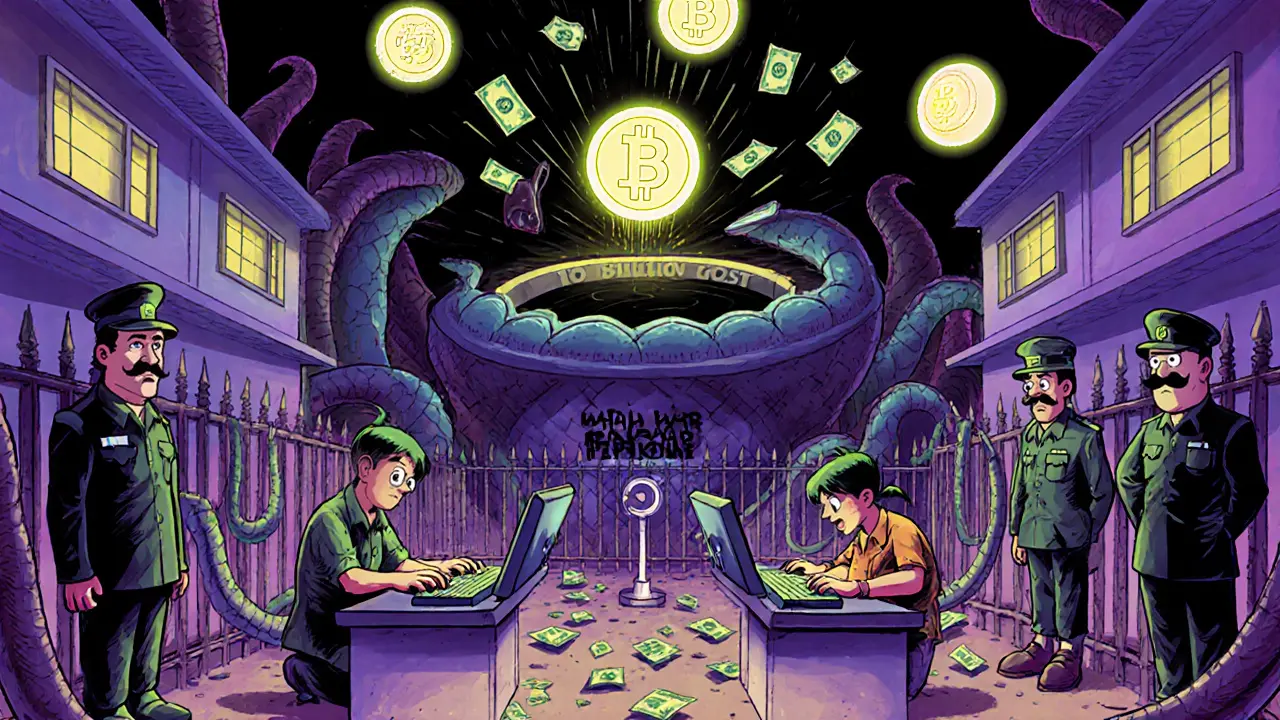
In September 2025, the U.S. sanctioned nine Myanmar-based crypto entities tied to a $10 billion cyber scam network operating in Shwe Kokko. These operations, protected by the Karen National Army, use forced labor to scam Americans. The sanctions freeze assets and block transactions, marking a major escalation in U.S. efforts to shut down crypto-fueled human trafficking rings.