State Crypto Laws: What’s Legal, What’s Not in 2025
When it comes to state crypto laws, the rules governing cryptocurrency use, taxation, and mining at the state level. Also known as crypto regulations by jurisdiction, these laws determine whether you can legally mine Bitcoin in Texas, pay taxes on DeFi gains in California, or get fined for using unlicensed exchanges in New York. There’s no federal uniformity in the U.S.—so your zip code matters more than you think.
Some states, like Wyoming and Florida, have built clear legal frameworks to attract crypto businesses. Wyoming lets you create crypto-friendly LLCs, recognizes digital assets as property, and even allows crypto-backed credit cards. Meanwhile, New York’s BitLicense system forces exchanges to jump through costly hoops, and some local governments have outright banned crypto mining over energy use concerns. Then there are states like Maryland and Vermont, where crypto isn’t illegal—but tax rules are vague, leaving residents guessing if they owe capital gains on every swap or staking reward. The crypto tax laws, how states treat crypto as income, property, or currency for tax purposes are just as messy. The IRS says crypto is property, but states like Pennsylvania treat it as taxable income, while others ignore it entirely until you file a 1099-DA form. And don’t forget crypto mining legality, whether your state permits or restricts running mining rigs at home. In Texas, it’s wide open. In New York, some towns shut down farms for using too much power. In Iran, the government controls mining licenses—and in Russia, mining quietly funds sanctions evasion networks. These aren’t abstract policies—they directly impact your wallet, your hardware, and your risk level.
What you’ll find below is a real-world look at how these laws play out. We’ve collected guides on crypto legality in Colombia, crypto bans in Iran, how Russia dodges sanctions using tokens, and what UK crypto firms must do to avoid million-dollar fines. You’ll see why a meme coin like Beckos is a red flag in any state, and how a privacy layer like Tusima Network tries to navigate compliance. These aren’t theoretical debates—they’re daily realities for traders, miners, and investors trying to stay out of trouble. Whether you’re holding Bitcoin in Ohio or staking tokens in Florida, you need to know what your state allows—and what it’s watching for.
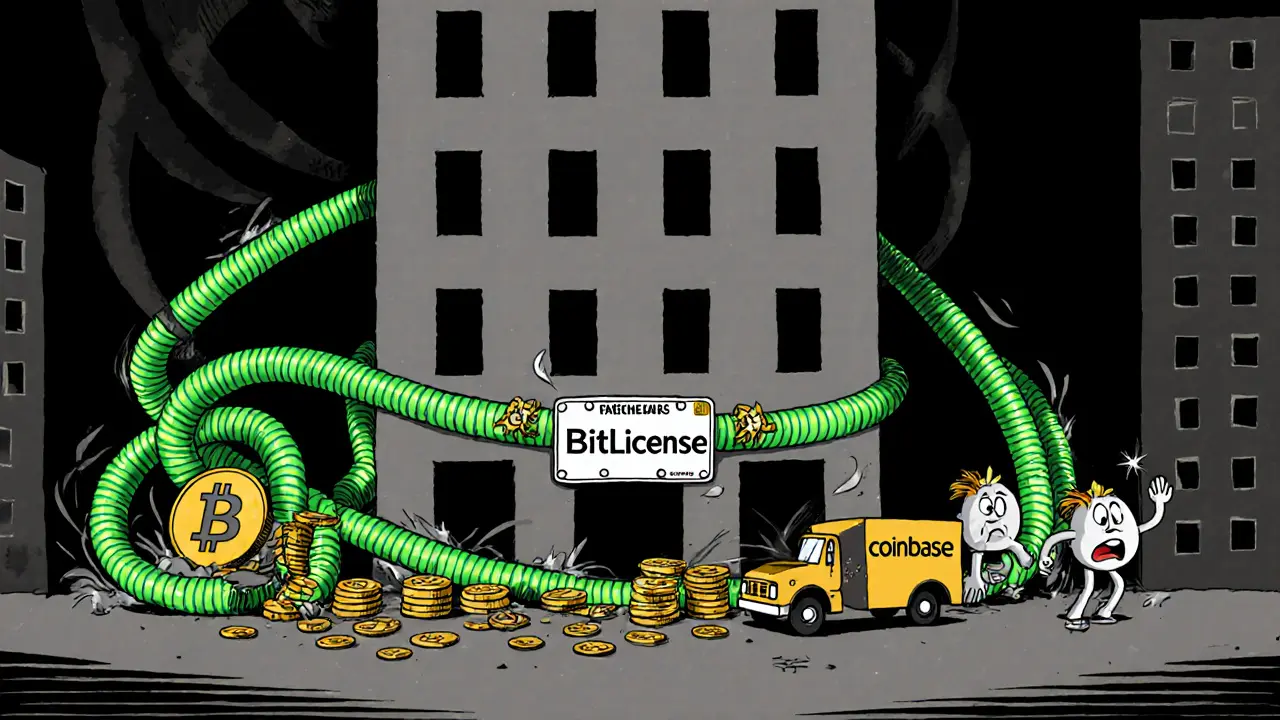
As of 2025, 47 U.S. states have their own crypto regulations - from New York's strict BitLicense to Wyoming's crypto-friendly banking laws. This guide breaks down what each state requires, how they impact users and businesses, and what the federal GENIUS Act means for the future.