US Crypto Regulations: What You Need to Know in 2025
When it comes to US crypto regulations, the rules that govern how Americans buy, trade, and report cryptocurrency. Also known as crypto compliance laws, they’re no longer a gray area—they’re enforced with fines, audits, and criminal charges. If you own crypto in the U.S., these rules directly affect you, whether you’re holding Bitcoin, staking Ethereum, or trading on a decentralized exchange.
The SEC, the agency that regulates securities markets. Also known as Securities and Exchange Commission, it now treats most tokens as securities unless proven otherwise. That means if a coin acts like an investment—like promising returns from a team’s development work—it’s under the SEC’s microscope. Projects like AQT and MIX are already being questioned. Meanwhile, the IRS, the federal tax authority that tracks income and capital gains. Also known as Internal Revenue Service, it requires every crypto trade, swap, or airdrop to be reported. Form 1099-DA is now mandatory, and failing to file can trigger audits or penalties. And don’t think using DeFi or offshore exchanges lets you off the hook—blockchain analysis tools make it easy to trace your activity.
It’s not just about taxes and securities. crypto compliance, the set of practices crypto businesses must follow to avoid legal trouble. Also known as AML/KYC rules, it’s now a survival requirement for any exchange operating in the U.S. Platforms like Crypto.com and Luno have spent millions building KYC systems because the DOJ is cracking down on unregistered platforms. Even small-time traders need to know: if you send crypto to a foreign exchange like HitBTC or BCEX Korea, you’re still responsible for reporting it. And if you’re mining or running nodes, the energy rules and tax treatment vary by state—some are friendly, others are hostile.
This collection dives into the real-world impact of these rules. You’ll find breakdowns of how the IRS treats DeFi rewards, why the SEC is targeting meme coins like BECKOS, and how U.S. crypto firms are adapting to new reporting demands. You’ll also see how people in other countries—like Iran or Russia—are using crypto to bypass restrictions, which puts even more pressure on U.S. regulators to tighten controls. There’s no fluff here. Just what you need to know to stay legal, avoid fines, and protect your assets in 2025.
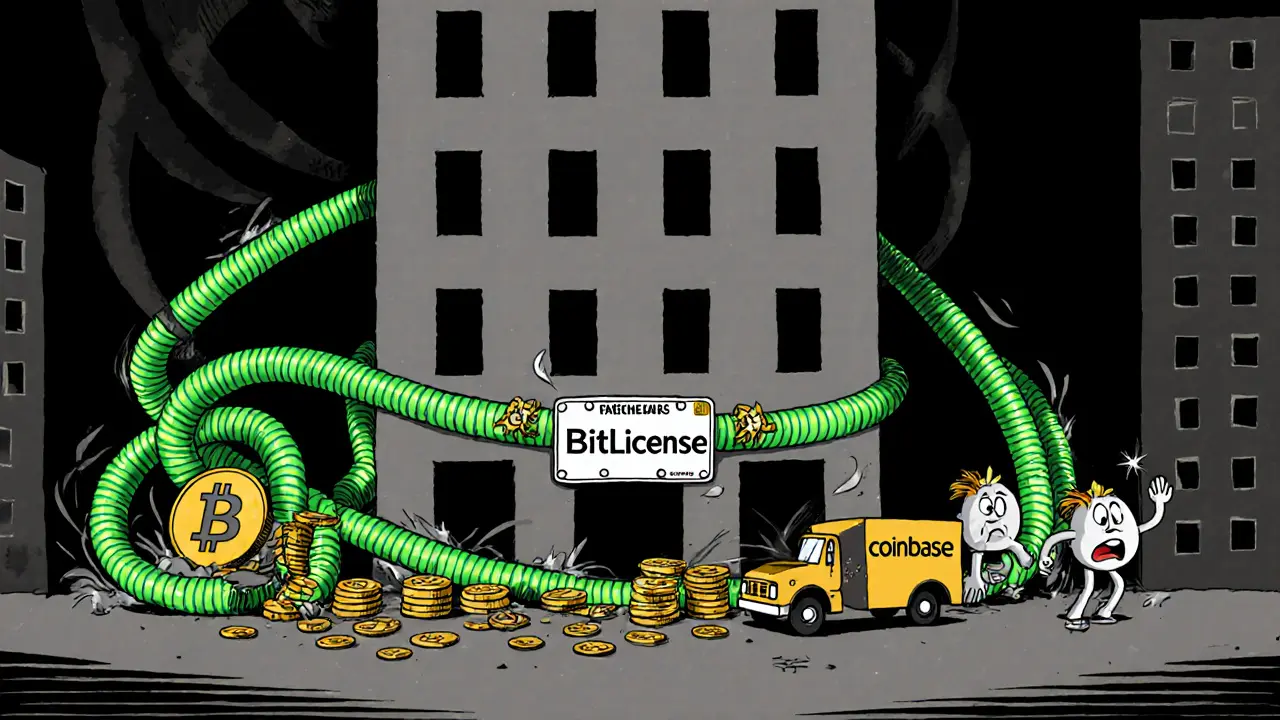
As of 2025, 47 U.S. states have their own crypto regulations - from New York's strict BitLicense to Wyoming's crypto-friendly banking laws. This guide breaks down what each state requires, how they impact users and businesses, and what the federal GENIUS Act means for the future.