
You want to trade crypto in Europe without the headache of regulatory uncertainty. Maybe you’ve heard whispers about Virtuse Exchange, a platform that promises institutional-grade security and a focus on Bitcoin wealth management. But before you deposit your hard-earned money, you need to know if it’s actually safe, what features it offers, and whether it fits your trading style.
This review cuts through the marketing fluff. We’ll look at how Virtuse operates under EU regulations, compare its two distinct trading interfaces, analyze its security infrastructure, and weigh the pros and cons against major competitors like Binance or Coinbase. If you are looking for a massive list of altcoins or a mobile app, you might be disappointed. But if you prioritize compliance and long-term Bitcoin holding, this could be exactly what you need.
What is Virtuse Exchange?
Virtuse Exchange is a Europe-based cryptocurrency trading platform founded in May 2019 that positions itself as a premier Bitcoin wealth management service. Unlike many exchanges that started as simple trading venues, Virtuse was built with a dual identity: a retail-friendly interface for beginners and a robust backend for institutional investors. It holds official registration in the European Union as a licensed virtual currency exchange and wallet service.
The company maintains operational offices in Singapore, which allows it to bridge European regulatory standards with Asian market access. This structure is significant because it means the platform isn’t just hiding behind offshore jurisdictions; it is actively complying with strict financial oversight. For users worried about the next regulatory crackdown, this provides a layer of confidence that unregistered platforms simply cannot offer.
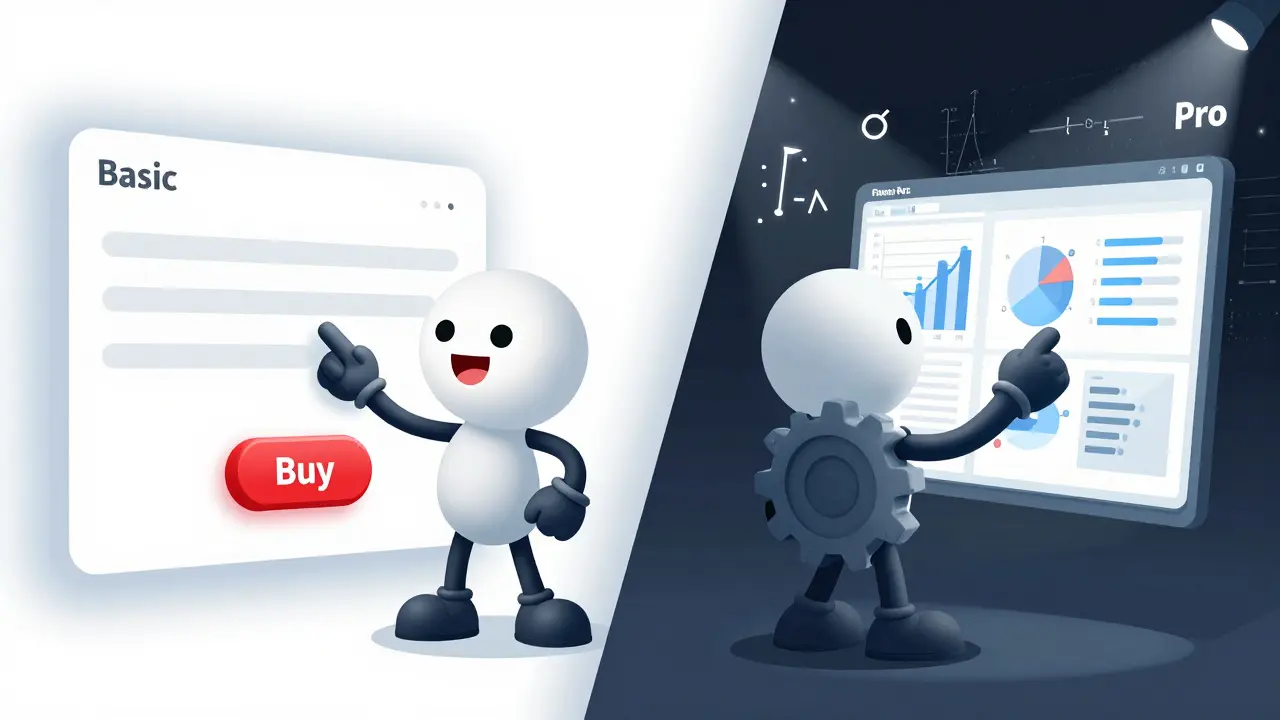
Trading Interfaces: VEX Basic vs. VEX Pro
One of the most unique aspects of Virtuse is how it segments its user base through two distinct platforms. You don’t get one generic dashboard that tries to please everyone. Instead, you choose your path based on experience level.
| Feature | VEX Basic | VEX Pro |
|---|---|---|
| Target Audience | Novice traders, long-term holders | Seasoned traders, active strategists |
| Interface Complexity | Simplified, intuitive design | Advanced charting tools, detailed data |
| Order Types | Basic buy/sell | Stop-loss, take-profit, limit orders |
| Learning Curve | Low | Moderate to High |
VEX Basic is designed for simplicity. If you just want to buy Bitcoin or Ethereum and hold it, this interface removes the clutter of complex charts and order books. It’s perfect for someone who wants to set up a recurring investment and forget about it. On the other hand, VEX Pro caters to those who need precision. It includes comprehensive charting tools and advanced order types like stop-losses and take-profits. This separation ensures that new users aren’t overwhelmed by technical jargon while experienced traders have the tools they need to execute precise strategies.
Supported Cryptocurrencies and Assets
Let’s address the elephant in the room: asset selection. If you are hunting for the latest meme coin or obscure altcoin, Virtuse Exchange will not satisfy you. The platform focuses heavily on established assets. You can trade major cryptocurrencies including:
- Bitcoin (BTC)
- Ethereum (ETH)
- Ripple (XRP)
- Litecoin (LTC)
- Monero (XMR)
- Tether (USDT)
- Gemini Dollar (GUSD)
- Paxos Standard (PAX)
- PAX Gold (PAXG)
- VIRTU token (the native exchange token)
It is worth noting that Virtuse previously offered tokenized commodities and real-world assets like equities and indices. However, they discontinued these offerings due to compliance requirements. This decision reinforces their commitment to regulatory adherence over breadth of product. While this limits your options compared to giants like Binance, it reduces the risk of exposure to highly volatile or potentially non-compliant assets.
Security and Regulatory Compliance
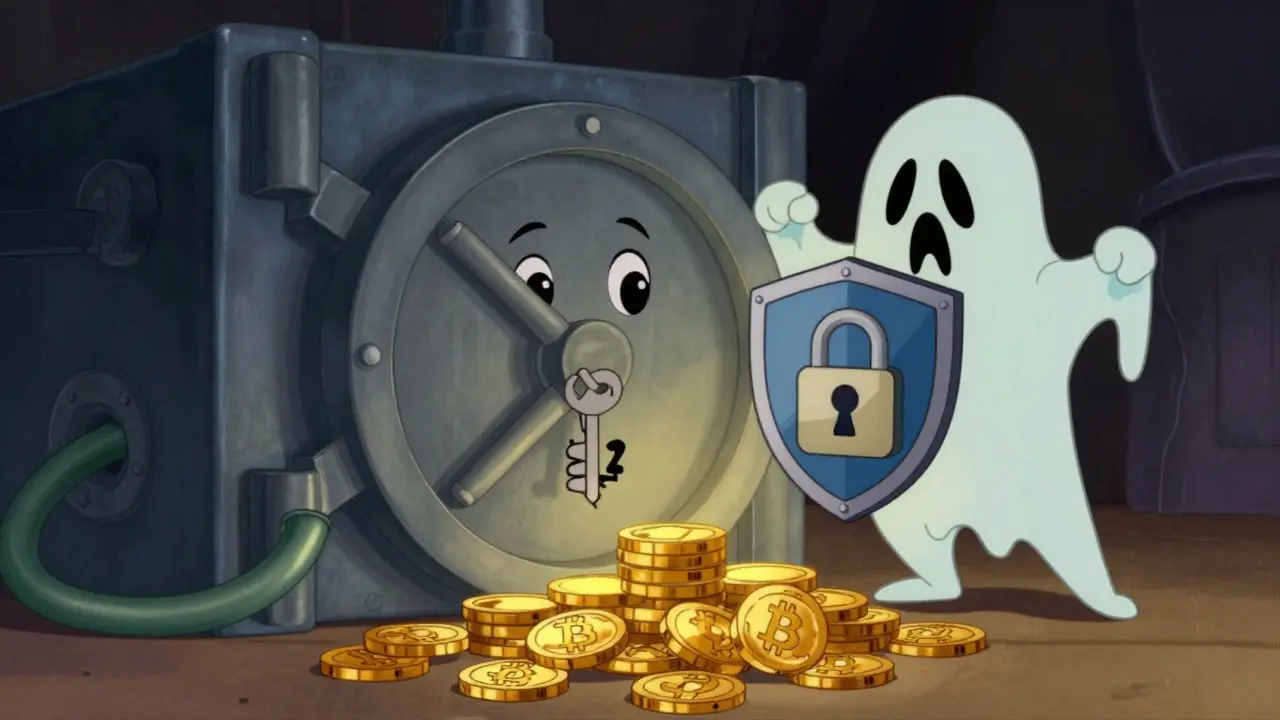
Security is where Virtuse Exchange truly differentiates itself. In an industry plagued by hacks and insolvent exchanges, their approach is conservative and robust. Here is how they protect your funds:
- Cold Storage: Approximately 99% of user funds are stored in cold wallets. These are offline storage systems that are immune to online hacking attempts.
- Licensed Custodian: The cold wallets are protected by a top-tier licensed custodian using multi-signature technology. This means no single person can access the funds without multiple keys.
- Two-Factor Authentication (2FA): All user accounts require 2FA, adding a critical layer of defense against unauthorized access.
- KYC and AML: The platform partners with leading verification providers to ensure strict Know Your Customer (KYC) and Anti-Money Laundering (AML) compliance.
Being officially registered in the European Union adds another layer of protection. Under frameworks like MiCA (Markets in Crypto-Assets), regulated entities must maintain certain capital reserves and operational standards. If something goes wrong, there is a legal framework for recourse, unlike with unregulated offshore exchanges. This makes Virtuse particularly attractive to high-net-worth individuals and institutions who cannot afford to gamble with unverified platforms.
Fees, Deposits, and Withdrawals
When it comes to moving money, Virtuse has made significant strides in accessibility. They have integrated a fiat gateway system that supports over 20 local currencies. This is a huge advantage for European users who often struggle with high conversion fees on other platforms.
You can deposit funds via credit card transactions or SEPA (Single Euro Payments Area) bank transfers. SEPA transfers are typically fast and low-cost within the EU, making them ideal for larger deposits. For those who prefer automated investing, the platform offers recurring trade functionality. You can set up automatic purchases on daily, weekly, or monthly schedules. The minimum for these recurring investments starts at $50 per month, which supports dollar-cost averaging strategies effectively.
Regarding trading fees, specific structures are not always transparently detailed in public reviews. However, holders of the native VIRTU token receive benefits including reduced trading fees and staking rewards. If you plan to trade frequently, holding some VIRTU tokens could lower your overall costs. Always check the current fee schedule on their website before executing large trades, as rates can change.
User Experience and Limitations
While the security and compliance are strong, the user experience has some notable gaps. The most significant complaint from potential users is the lack of a mobile application. There is no iOS or Android app available. In a world where many traders check prices on their commute, this is a major inconvenience. You are limited to using the web browser version of VEX Basic or VEX Pro.
Additionally, customer support information is sparse in public reviews. With only a handful of user reviews on platforms like CryptoGeek (currently rated 3.0 out of 5 based on very limited data), it is hard to gauge response times or quality. For a platform targeting high-net-worth clients, robust and responsive support is expected. Users should test the support channels with small queries before committing large sums.
The learning curve is generally low for VEX Basic, but educational resources are not as extensive as those found on larger exchanges like Coinbase or Kraken. If you are a complete beginner, you may need to rely on external guides to understand basic concepts like private keys or market orders.
Who Should Use Virtuse Exchange?
Virtuse Exchange is not for everyone. It serves a specific niche. Here is a breakdown of who benefits most:
- European Residents: Those who value regulatory compliance and ease of fiat deposits via SEPA.
- Long-Term Investors: Users interested in Bitcoin wealth accumulation rather than day-trading hundreds of altcoins.
- Institutional Clients: Corporations and wealth managers seeking a compliant partner for digital asset integration.
- Security-Conscious Traders: Individuals who prioritize cold storage and licensed custody over feature bloat.
If you are a high-frequency trader looking for deep liquidity in obscure tokens, or if you demand a seamless mobile app experience, Virtuse may frustrate you. Exchanges like Binance or Bybit offer more variety and better mobile experiences, albeit with varying degrees of regulatory transparency.
Final Verdict
Virtuse Exchange stands out as a serious, compliant player in the European crypto landscape. Its focus on Bitcoin wealth management and institutional-grade security makes it a trustworthy option for those who prioritize safety and regulation over flashy features. The discontinuation of tokenized commodities shows a willingness to adapt to legal standards, which is a positive sign for longevity.
However, the lack of a mobile app and limited asset selection are genuine drawbacks. If you can overlook these limitations and value peace of mind through EU licensing, Virtuse is a worthy addition to your portfolio. Just remember to start small, verify the support responsiveness, and utilize the recurring buy feature to build your position steadily.
Is Virtuse Exchange safe for European users?
Yes, Virtuse Exchange is officially registered in the European Union as a licensed virtual currency exchange. It complies with KYC and AML regulations and stores 99% of user funds in cold wallets managed by a licensed custodian. This regulatory status provides a higher level of security and legal recourse compared to unregulated offshore exchanges.
Does Virtuse Exchange have a mobile app?
No, Virtuse Exchange does not currently offer a mobile application for iOS or Android devices. Users must access the platform via a web browser to use either the VEX Basic or VEX Pro interfaces. This is a significant limitation for users who prefer trading on the go.
What cryptocurrencies can I trade on Virtuse?
Virtuse focuses on major, established cryptocurrencies. Supported assets include Bitcoin (BTC), Ethereum (ETH), Ripple (XRP), Litecoin (LTC), Monero (XMR), Tether (USDT), Gemini Dollar (GUSD), Paxos Standard (PAX), PAX Gold (PAXG), and the native VIRTU token. They do not offer a wide selection of altcoins or meme coins.
How do I deposit fiat currency into Virtuse?
You can deposit fiat currency using credit card transactions or SEPA bank transfers. The platform supports over 20 local currencies, making it convenient for European residents. SEPA transfers are generally recommended for larger amounts due to lower fees and faster processing within the EU.
What is the minimum investment for recurring buys?
The minimum amount for setting up a recurring trade on Virtuse Exchange is $50 per month. This feature allows users to automate their purchases on daily, weekly, or monthly schedules, facilitating dollar-cost averaging strategies.
Comments (18)
Michelle Bonahoom
May 18, 2026 AT 01:46
another european platform trying to sell us on safety while the real action is happening elsewhere honestly i dont trust any of these offshore looking setups even if they claim eu registration its just a marketing gimmick to scare away the casuals
beti macedo
May 18, 2026 AT 08:29
i think this review is very helpful for those who are cautious about their investments it is always good to check the regulatory status before depositing funds especially in such a volatile market i hope you find what you are looking for
Matt Davis
May 18, 2026 AT 16:18
You are absolutely deluded if you think 'compliance' equals safety. The entire crypto ecosystem is built on the premise of bypassing traditional financial guardrails. Virtuse is just another centralized honeypot waiting for a regulator to shut it down or a hacker to drain it. I’ve seen better security in my toaster.
Albert Lee
May 20, 2026 AT 05:12
I hear your frustration Matt but remember that not everyone wants to live on the edge of the internet some people genuinely need peace of mind knowing their assets are under legal scrutiny it’s okay to choose stability over adventure sometimes we all have different risk tolerances and that’s perfectly valid
Bianca Vilas Boas Lourenço
May 21, 2026 AT 17:58
ugh why do i have to read this boring stuff 😒 nobody cares about sepa transfers or cold storage unless you’re losing money then suddenly everyone is an expert 🙄 save me the drama and just tell me if i can make quick cash or go back to sleep 💤
Yash Lodha
May 23, 2026 AT 07:21
the mention of singapore offices is a dead giveaway they are using asia as a backdoor for data extraction while pretending to be european compliant i have seen similar patterns with other exchanges that eventually vanish into the ether leaving users with nothing but promises and empty wallets
Jesse Alston
May 24, 2026 AT 14:15
actually yash the singapore connection is quite common for legitimate fintech firms because it offers a neutral ground between western regulations and asian liquidity pools it doesn’t necessarily mean malicious intent many reputable banks operate similarly so don’t jump to conclusions without more evidence 👍
Sarah C
May 25, 2026 AT 15:29
i agree with jesse it’s important to look at the broader context rather than assuming the worst just because something seems complex or international collaboration often leads to stronger security frameworks which is exactly what we need in this space
Kimberly Herbstritt
May 26, 2026 AT 19:23
but isn’t the whole point of crypto to avoid banks and governments? why would anyone want a platform that acts like a bank? it feels like missing the forest for the trees here
Sharada Vakkund
May 27, 2026 AT 00:14
that’s a great perspective kimberly and it highlights the diversity of opinions within our community while some seek total decentralization others prioritize ease of use and legal protection both approaches have merit depending on individual goals and comfort levels
Sudarshan Anbazhagan
May 28, 2026 AT 18:23
one must consider that the lack of mobile application is a significant oversight in today’s digital landscape where convenience is paramount however the focus on institutional grade security may justify this limitation for certain demographics who value asset preservation above all else
John Gonzalez Bentham
May 30, 2026 AT 12:31
lol no mobile app? really? thats stupid who has time to sit at a computer all day trading should be seamless and instant otherwise whats the point im sticking with binance they actually understand how people live nowadays
Ellie Riddell
May 31, 2026 AT 07:45
oh please john if you had to wait ten minutes to buy coffee would you burn down the cafe? maybe the lack of an app forces people to step away from their screens and breathe a little less doomscrolling might actually be a feature not a bug 🤷♀️
Destiny Kilby
June 1, 2026 AT 09:33
i appreciate the detailed breakdown of fee structures though it remains somewhat opaque it is reassuring to see options for reducing costs through token holding which aligns incentives between the platform and its users
Jerry CUNNINGHAM SR
June 2, 2026 AT 00:44
it is crucial to acknowledge that transparency regarding fees is a cornerstone of trust in financial services while virtuse provides some details users should remain vigilant and monitor changes regularly to ensure they are receiving fair value for their transactions
Shelby Cantu
June 2, 2026 AT 02:20
start small test the waters verify support responsiveness before committing large sums
Ruben Michel
June 3, 2026 AT 02:31
The notion that one should 'start small' implies a level of uncertainty that is entirely unwarranted for sophisticated investors. If the platform were truly robust, there would be no hesitation. This advice caters to the masses who lack the capital to absorb minor inconveniences. True wealth management requires decisive action and confidence in one's chosen instruments.
Gavin Wonnacott
June 5, 2026 AT 02:12
you sound like a robot ruben get off your high horse nobody asked for your pretentious take on wealth management let’s keep it real people want to know if they will lose their shirts not hear about sophisticated investors