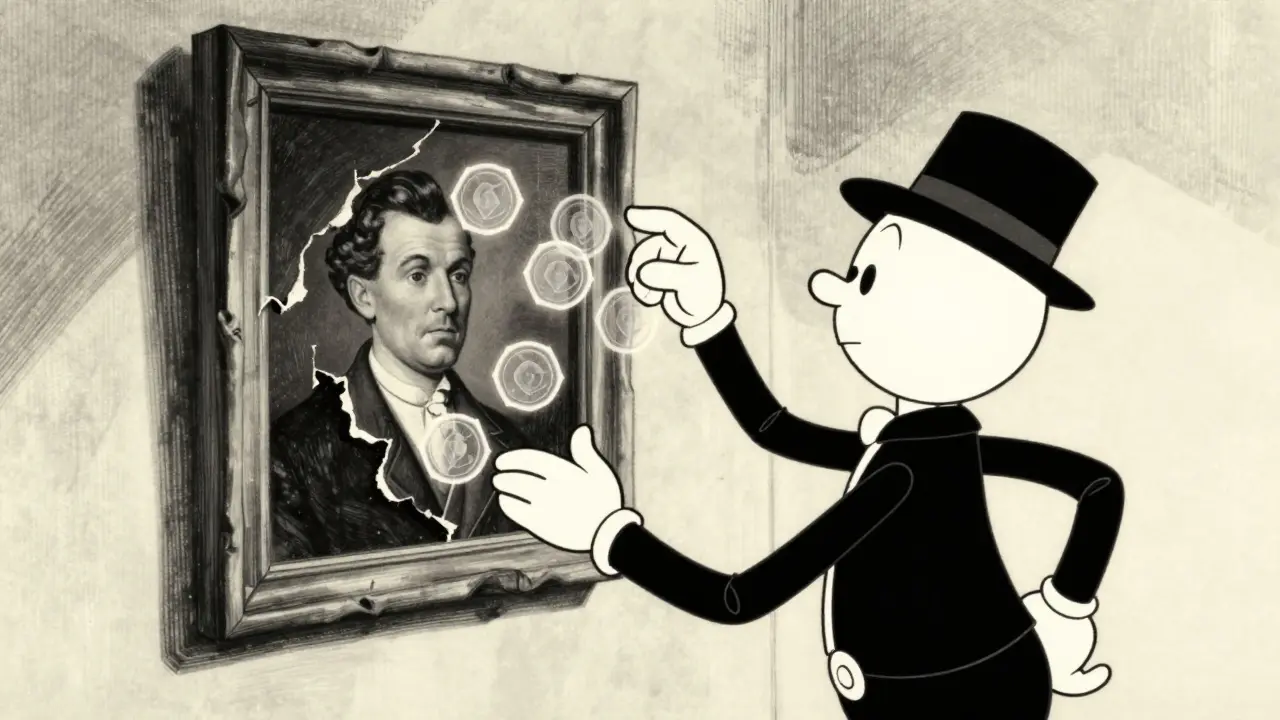
If you are scrolling through your portfolio tracker or checking decentralized exchange listings, you might have stumbled across a ticker that feels familiar yet confusing: Rug World Assets, often abbreviated as RWA crypto coin. This specific project uses an acronym that overlaps significantly with the broader financial term "Real World Assets," which can lead to immediate confusion for newcomers. Unlike the general sector trend where tokens represent property deeds or bonds, this particular project focuses on cultural artifacts and art. Understanding exactly what this token does versus what it claims to be is the first step before considering any involvement.
The Core Concept: Digital Culture Meets Blockchain
At its heart, the project aims to bridge the gap between physical cultural heritage and digital trading. We are talking about fractional ownership here. Imagine owning a piece of a historic painting or a rare collectible without having to buy the entire item yourself. That is the promise behind this platform. The token serves as the medium of exchange for these shares. By leveraging blockchain technology, the goal is to make high-value assets liquid and accessible. Instead of waiting years for an estate sale or auction, investors look to trade these digital representations more fluidly.
The platform enables fractional ownership of unique cultural artifacts, artworks, and collectibles via blockchain.
This model relies heavily on trust and verification. In the art world, provenance is everything. If a token represents a share of a sculpture, how do you know the sculpture exists and hasn't been sold separately elsewhere? The project claims to use the immutable nature of the ledger to track these links. However, the execution of such a claim requires rigorous off-chain auditing, which is often the weak link in similar ventures. You are essentially trusting that the physical inventory matches the digital representation.
Technical Specifications and Blockchain Infrastructure
When looking under the hood, you find that this asset lives on the Base blockchain. A layer-2 solution built by Coinbase designed for scalability and lower costs.. This choice of network is significant. Ethereum, the parent chain, often suffers from high gas fees that can eat up profits on small trades. By moving to Layer 2, the transaction costs drop drastically. This makes buying a fraction of a share economically viable for retail users rather than just whales with deep pockets.
The token follows the ERC-20 standard, meaning it behaves like most other utility tokens you might already know. You can hold it in standard wallets, swap it on decentralized exchanges, and potentially stake it if the protocol evolves to support that. The infrastructure allows for composability, so developers can theoretically build applications on top of the token that leverage the underlying assets. Currently, the circulating supply hovers around 9.5 million out of a maximum cap of 10 million. This indicates that the majority of the tokens are already minted, limiting inflationary pressure on the community's holding.
| Attribute | Value |
|---|---|
| Token Ticker | RWA |
| Total Supply Cap | 10 Million Tokens |
| Circulating Supply | ~9.5 Million Tokens |
| Blockchain Network | Base (Layer 2) |
| Token Standard | ERC-20 Compatible |
Notice the supply structure. With 95% of the supply already out there, there is very little room for future dilution. Usually, investors fear massive unlocks of treasury tokens that flood the market later. Here, the emission schedule appears nearly complete. While good for holders looking for scarcity, it also means less opportunity for new entry points through staking rewards or emissions.
Market Performance and Price Reality
Pricing is where things get messy. As of late March 2026, different data aggregators report wildly different numbers. One major aggregator lists the price near $0.0018 USD, while others suggest higher figures closer to $0.007 or even $0.009. When you see spreads this wide across reputable platforms like Binance or Coinbase listings, it signals a critical issue: liquidity fragmentation.
This inconsistency means that what you see as the 'price' depends entirely on which specific exchange pair you are looking at. There is no single global price authority for niche tokens like this one. Furthermore, the all-time high suggests a dramatic ride. The token once traded near levels that would translate to thousands of dollars per unit in terms of total valuation. Now, sitting roughly 99.7% below that peak, it tells a story of a project that faced either severe market headwinds or lost investor confidence post-launch.
You also need to consider the volume. A token can have a price tag, but if nobody is buying or selling, that price is theoretical. Recent reports show daily volumes ranging from zero to a few thousand dollars depending on the day. Low volume creates slippage; trying to sell your stack could drop the price significantly just by executing your own order. This is a vital metric to watch before entering a position.
Trading Platforms and Wallet Compatibility
For those who still want to explore this asset class, accessibility is surprisingly straightforward compared to some obscure coins. You don't typically need centralized exchange accounts with KYC checks. The primary route is through decentralized exchanges (DEX). The most popular venue identified is Uniswap V3 specifically deployed on the Base network.. Here, the trading pair is usually set against Wrapped Ethereum (WETH).
- Connect Wallet: Use a compatible web3 wallet like MetaMask or Phantom Wallet.
- Switch Network: Ensure your wallet is bridged to the Base network.
- Swap Assets: Swap WETH for the RWA tokens directly.
This process bypasses traditional gatekeepers, which aligns with the ethos of Web3. However, it places the burden of security entirely on you. If you lose your private keys or send funds to the wrong address, there is no customer support line to call. The friction-free access comes with the responsibility of self-custody.
Risk Factors and Transparency Concerns
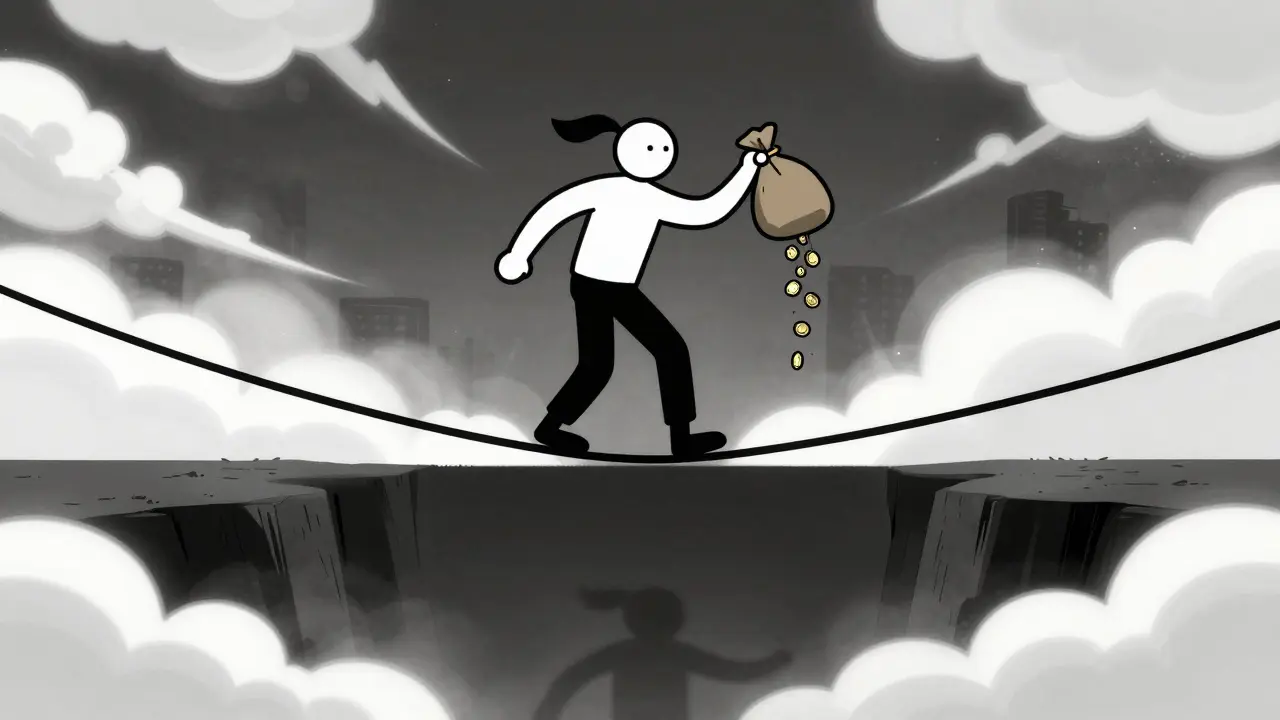
We need to talk about the risks because they are substantial. First, the transparency gap. Publicly available documentation regarding the core development team is sparse. In the wider crypto industry, we have seen projects vanish when anonymity becomes a cover for malicious intent. Without verified identities or a robust roadmap published on official channels, it is difficult to assess long-term viability.
Second, the correlation with the broader market. Even if the cultural asset tokenization thesis is sound, the token price itself moves with the general sentiment of the crypto market. If the broader ecosystem enters a bear phase, liquidity dries up further, leaving holders stranded. The volatility we discussed earlier amplifies this exposure. Holding a small-cap asset with thin liquidity during a market downturn can result in losses much faster than holding established coins like Bitcoin or Ethereum.
Third, regulatory scrutiny. Tokenizing real-world objects, especially art and culture, often invites regulators. Authorities may question whether the token constitutes a security. If the project is deemed to be selling unregistered securities, it could face legal challenges that affect the ability to trade. Keeping an eye on regulatory news related to the Base blockchain and US law is prudent if you plan to hold this asset.
Comparative Landscape: How It Fits
In the grand scheme of "Real World Asset" tokenization, there are larger players focusing on real estate or Treasury bonds. Those projects tend to have heavier institutional backing. This project carves a specific niche in the cultural sphere. It competes indirectly with NFT marketplaces that allow fractional sales but offers a different infrastructure. It positions itself as the "magic internet money of culture," attempting to brand the token as a vehicle for passion rather than pure profit. Whether that narrative holds water depends on actual adoption of the marketplace, which remains to be fully seen.
Compared to standard meme coins, it claims more utility. Compared to institutional bond tokenization, it faces less regulatory clarity. It sits in a middle ground of "experimental utility." This classification suggests that value discovery is still ongoing and highly speculative.
Practical Steps for Potential Investors
If you decide to proceed, treat this as venture capital behavior rather than savings. Allocate only what you can afford to lose completely. Check the contract address multiple times before sending funds to avoid phishing scams. Monitor the trading volume over several weeks to confirm there is consistent interest. Do not rely on a single screenshot of price data. Verify the contract on a block explorer to ensure it is not a honeypot. Finally, stay updated on community announcements, as rapid changes in strategy are common in this sector.
Frequently Asked Questions
Is Rug World Assets a safe investment?
No investment is entirely safe, especially niche crypto tokens. This specific asset has high volatility, low liquidity, and limited public documentation regarding the development team, which increases the risk profile significantly.
Can I buy RWA on a centralized exchange?
It primarily trades on decentralized exchanges like Uniswap V3 on the Base blockchain. Some aggregators list data from platforms like Binance or Coinbase, but direct fiat on-ramps are less common. Most purchases require swapping crypto assets like ETH or WETH.
What blockchain does RWA operate on?
The token operates on the Base blockchain, which is a Layer 2 scaling solution for Ethereum. This allows for lower transaction fees compared to the Ethereum mainnet.
Why are the prices different across websites?
Price discrepancies arise due to low liquidity across different trading pairs and data synchronization lag between exchanges. Always check the specific exchange you intend to trade on for the real-time quote.
Does RWA represent physical assets?
The project's concept involves tokenizing cultural and artistic assets, implying a backing of some sort, but you are trading the token itself on the blockchain. The redemption or linkage to physical goods depends on the platform's specific terms, which should be verified independently.