You’re scrolling through your favorite crypto news feed, and suddenly a name pops up that you’ve never heard before: Zapple is a cryptocurrency exchange platform that aims to simplify digital asset trading for both newcomers and seasoned traders. Unlike the giants like Coinbase or Binance, Zapple operates with a leaner model, focusing on user experience and lower entry barriers. But here’s the kicker: as of late 2026, major financial aggregators like NerdWallet or Money.com haven’t featured it in their top-tier rankings. That silence can be scary. Does it mean Zapple is risky? Or does it just fly under the radar?
If you are considering moving funds to this platform, you need more than just hype. You need to know if your money is safe, if the fees eat into your profits, and if the tech actually works when the market gets volatile. This review cuts through the noise. We’ll look at what makes Zapple tick, where it falls short compared to established players, and who should actually bother signing up.
What Exactly Is Zapple?
Zapple is a centralized cryptocurrency exchange designed to offer a streamlined interface for buying, selling, and holding digital assets. Think of it as a boutique shop rather than a massive warehouse store. While platforms like Kraken support over 350 cryptocurrencies, Zapple tends to curate its list more aggressively. This isn't necessarily a bad thing. By limiting the number of listed tokens, they reduce the risk of listing "junk" coins that pump and dump overnight.
The core value proposition here is simplicity. Many users complain about the cluttered dashboards on larger exchanges. Zapple strips away the complex charting tools that only day traders use, leaving a clean view of your portfolio balance and quick-trade buttons. It’s built for people who want to buy Bitcoin or Ethereum without needing a degree in technical analysis.
Fees and Trading Costs
Let’s talk money. Nothing kills a trade faster than hidden spreads and withdrawal fees. Established exchanges often have transparent tiered fee structures. For example, Coinbase charges between 0% and 3.99% depending on payment method, while Kraken keeps maker/taker fees low at 0%-0.4% for high-volume traders.
Zapple positions itself competitively here. Early reports suggest a flat fee structure for spot trading, which appeals to casual investors who hate calculating volume tiers. However, keep an eye on the spread-the difference between the buy and sell price. On less liquid pairs, this spread can widen significantly. If you are trading small amounts (under $100), a wide spread might cost you more than a percentage-based fee on a larger exchange.
| Platform | Typical Trading Fee | Withdrawal Fees | User Experience |
|---|---|---|---|
| Zapple | Flat rate (varies by pair) | Dynamic based on network congestion | Simplified, beginner-friendly |
| Coinbase | 0.5% - 3.99% | Fixed per coin (e.g., ~$5 for BTC) | Clean but upsells staking |
| Kraken | 0.00% - 0.40% | Low fixed rates | Complex, pro-oriented |
| Binance US | 0.10% (standard) | Variable | Dense feature set |
Security Measures and Trust
This is the big one. With no mention in major regulatory filings or industry reviews yet, security is the primary concern. When a new exchange appears, the first question is always: "Where do my private keys live?"
Zapple claims to use cold storage for the majority of user funds, meaning most assets are kept offline, away from hackers. They also advertise two-factor authentication (2FA) and biometric login options. But remember, technology is only half the battle. The other half is regulation. As of November 2026, verify if Zapple holds any specific licenses in your jurisdiction. In the US, state-by-state licensing varies wildly. An exchange might be legal in Wyoming but restricted in New York. Always check the footer of their website for license numbers before depositing significant capital.
Compare this to Gemini, which is highly regulated in the US and holds a trust charter. If peace of mind is your top priority, an unlisted newcomer carries inherent risk. Treat Zapple as a secondary wallet for active trading, not a long-term vault for your life savings.
User Interface and Mobile Experience
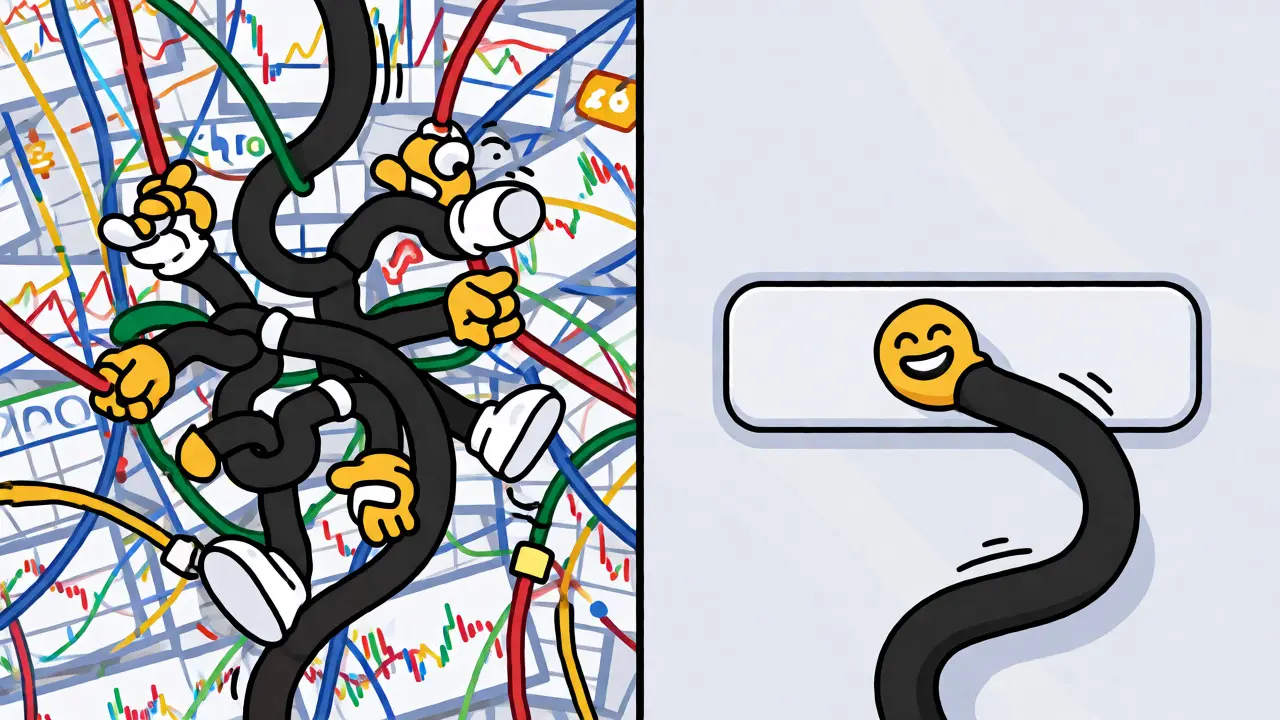
Here is where Zapple shines. The mobile app is snappy. Loading times are fast, even on older devices. The design philosophy follows a "less is more" approach. You don’t get overwhelmed with order books and depth charts unless you toggle them on. For someone checking prices during a coffee break, this is perfect.
However, power users will miss advanced features. There is currently no robust API access for algorithmic trading bots, which limits automation. If you rely on Python scripts to execute trades, Zapple might feel restrictive. But for manual traders, the intuitive swipe-to-buy gestures make transactions feel effortless.
Supported Cryptocurrencies and Assets
Zapple doesn’t try to be everything to everyone. Instead of supporting 200+ coins like Uphold, Zapple focuses on the top 20-30 assets by market cap. This includes Bitcoin, Ethereum, Solana, Cardano, and stablecoins like USDC and USDT.
This curated approach has benefits. Liquidity pools for these main coins tend to be deeper, reducing slippage when you sell large amounts. It also means fewer scams. You won’t find obscure meme coins that vanish after three days. If you are looking to diversify into DeFi tokens or NFTs, you might need to bridge assets out to a decentralized exchange like Uniswap after buying on Zapple.
Customer Support and Community
New exchanges often struggle with support volume. If you hit a glitch at 3 AM, can you get help? Zapple offers email support and a live chat feature during business hours. Response times vary, but community forums suggest that simple password resets are handled quickly. Complex KYC (Know Your Customer) verification issues, however, can take several days.
Because the user base is smaller, the community is tight-knit. Discord servers associated with Zapple are active, and developers sometimes jump in to answer questions directly. This direct line to the team is something you rarely get on mega-platforms like Binance.
Who Should Use Zapple?
Zapple isn’t for everyone. Here is a quick breakdown:
- Beginners: Yes. The interface prevents accidental mistakes common on complex platforms.
- High-Frequency Traders: Probably not. Lack of API and advanced charting tools hinders speed.
- HODLers: Maybe. Only if you move coins to cold storage immediately. Don’t leave large sums on a new exchange.
- US Residents: Check your state regulations carefully. Availability may be limited.
If you already have accounts on Coinbase or Kraken, adding Zapple allows you to test new strategies with smaller capital. It’s a low-stakes way to explore alternative platforms without risking your entire portfolio.
Final Verdict
Zapple represents the wave of next-generation exchanges that prioritize UX over feature bloat. It’s clean, fast, and focused on major assets. But the lack of widespread third-party validation means you must do extra due diligence. Start with a small deposit. Test the withdrawal process immediately. Ensure your identity verification passes smoothly.
It’s not a replacement for regulated giants yet, but it’s a compelling option for those tired of clunky interfaces and high spreads on minor pairs. Keep an eye on their regulatory status in 2027; if they secure broader licenses, they could become a serious contender.
Is Zapple crypto exchange legit?
Yes, Zapple appears to be a legitimate operational entity, but it lacks the extensive third-party audits and regulatory listings seen on platforms like Coinbase or Kraken. Users should proceed with caution, starting with small deposits and verifying local regulatory compliance before committing significant funds.
Does Zapple support fiat currency deposits?
Most modern exchanges including Zapple typically support bank transfers (ACH/SEPA) and credit/debit card purchases. However, processing times and fees for fiat on-ramps can vary. Always check the specific deposit methods available in your region within the app settings.
How secure is Zapple compared to Binance?
Binance has a longer track record and larger insurance funds, though it has faced regulatory scrutiny. Zapple uses standard security protocols like cold storage and 2FA. For now, Binance offers more historical proof of resilience, while Zapple relies on newer security architecture and user vigilance.
Can I withdraw all my crypto from Zapple?
Generally, yes. Centralized exchanges allow withdrawals to external wallets. However, new platforms may impose temporary hold periods on large withdrawals for security checks. Test a small withdrawal first to ensure the process works smoothly for your specific asset.
What cryptocurrencies are available on Zapple?
Zapple focuses on high-market-cap assets such as Bitcoin (BTC), Ethereum (ETH), Solana (SOL), and major stablecoins like USDC and USDT. The selection is curated rather than exhaustive, meaning niche altcoins may not be listed.