Innterim Crypto Bridge Archive: January 2025 Crypto Guides and Airdrops
When you’re trying to make sense of Innterim Crypto Bridge, a practical guide for moving from traditional finance into Web3 with real, usable advice. It’s not about hype—it’s about showing you what actually works when you’re setting up wallets, tracking airdrops, or choosing an exchange. This archive covers January 2025, a month where real users were cutting through the noise and getting things done.
cryptocurrency airdrops, free token distributions tied to specific wallet actions or eligibility rules were everywhere. People weren’t just signing up—they were checking eligibility, avoiding scams, and using tools to track which airdrops still had open claims. You’ll find posts that break down exactly what you needed to do: which wallets to use, which chains to switch to, and which projects were actually distributing tokens. No fluff, no fake promises. Just the steps that worked.
Web3 transition, the process of moving from traditional banking and apps to decentralized systems like wallets, DeFi, and on-chain identity wasn’t just a buzzword this month. It was a daily task for thousands. Posts showed how to connect a hardware wallet to a DEX, how to swap tokens without paying $50 in gas, and how to understand your transaction history without a middleman. If you’ve ever felt lost after sending ETH to the wrong address, these guides helped fix that.
crypto exchanges, platforms where users buy, sell, or trade digital assets, often with varying fees, security levels, and supported coins got real attention. Not the big names everyone talks about—those were covered last year. This month, we looked at smaller, trustworthy platforms that were quietly improving their user experience. One guide compared three lesser-known exchanges that let you trade BTC for SOL with under $1 in fees. Another showed how to spot fake volume on a new exchange before you deposit anything.
And then there’s blockchain fundamentals, the core concepts like public keys, consensus mechanisms, and smart contracts that make crypto work under the hood. You don’t need to be a developer to get this. The posts here explained it like you’re talking to a friend over coffee. What’s a nonce? Why does your wallet need a seed phrase? How do validators actually earn rewards? These weren’t textbook definitions—they were answers to questions people actually asked while trying to send their first transaction.
What you’ll find in this archive
Every post here was written because someone hit a wall. Maybe they lost money on a bad swap. Maybe they missed an airdrop because they didn’t know which chain to check. Maybe they just didn’t understand why their wallet kept saying "insufficient funds" when they clearly had ETH. These guides fix those exact problems. No theory. No fluff. Just what you need to know, when you need to know it.
January 2025 wasn’t about new coins breaking records. It was about people finally getting comfortable with the tools they already had. The posts below show you how they did it—and how you can too.
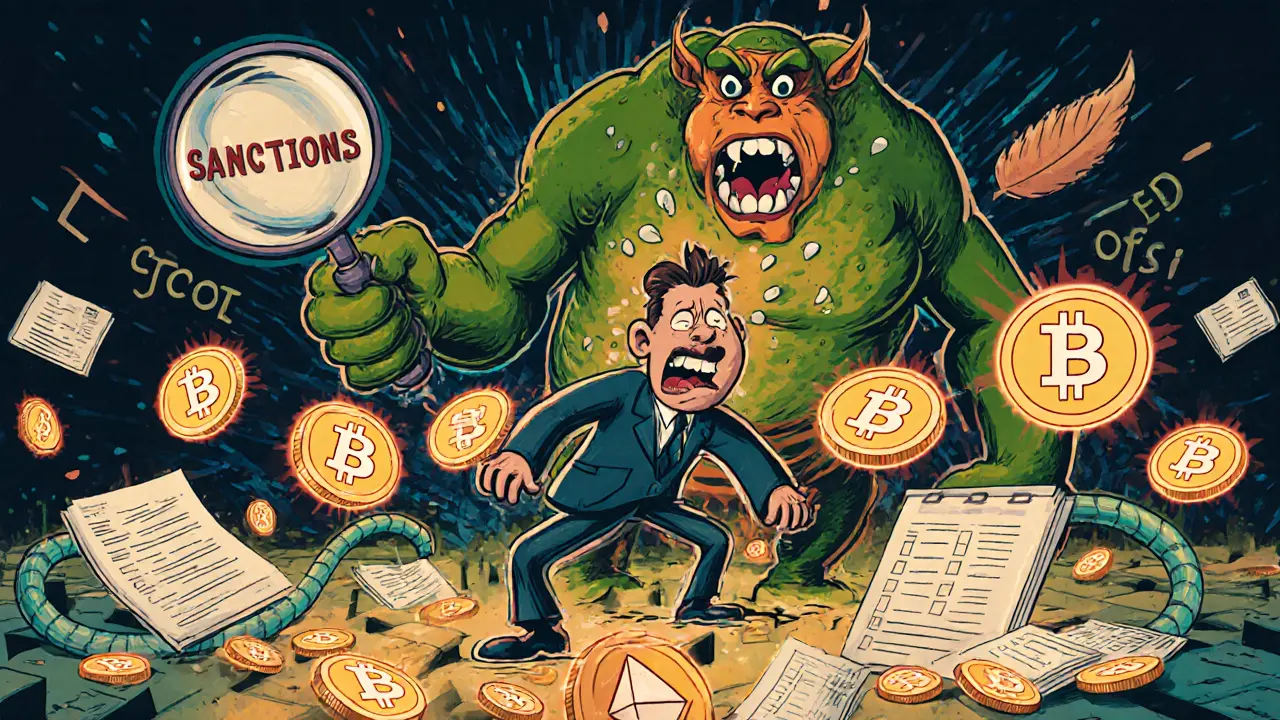
UK crypto firms must now use real-time blockchain tools to prevent sanctions evasion. With OFSI reporting widespread under-reporting and new fines hitting millions, compliance is no longer optional-it's a survival requirement.
30 Jan
2025
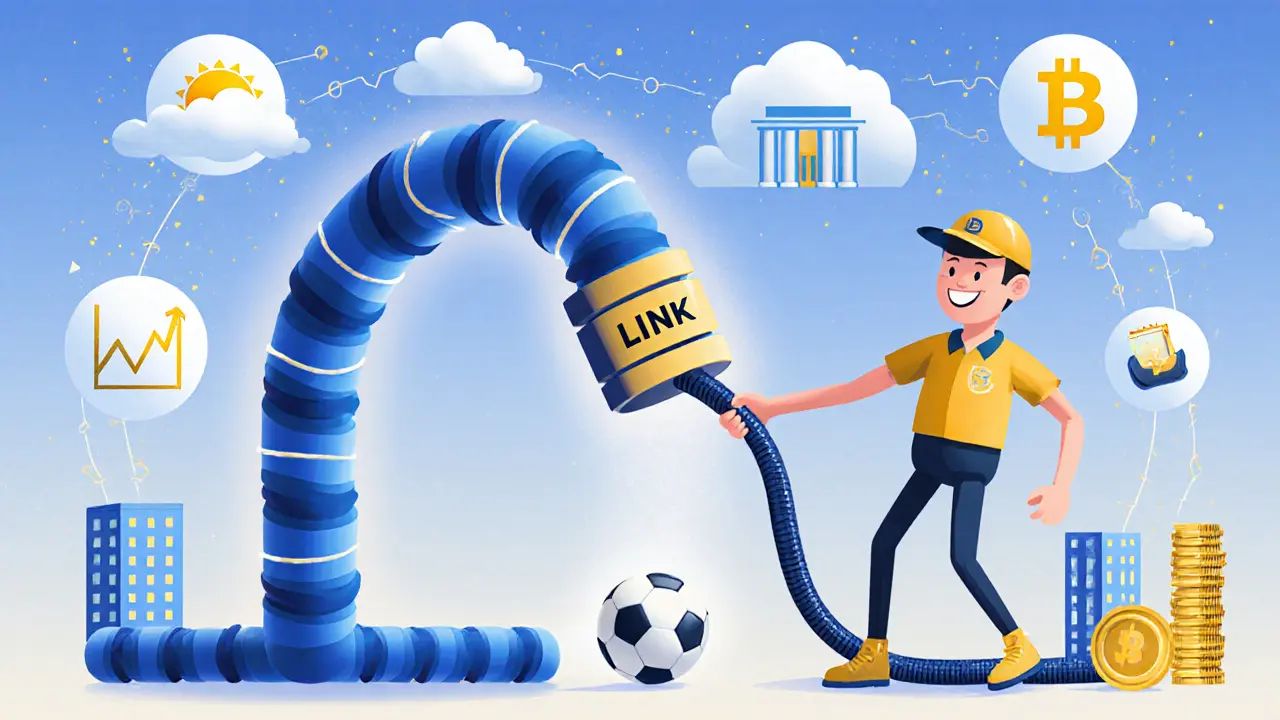
Chainlink (LINK) is the leading decentralized oracle network that connects smart contracts to real-world data. It powers DeFi, enterprise systems, and blockchain applications by securely bringing in price feeds, weather data, sports results, and more - solving the critical oracle problem.
xExchange (MEX) is the governance token behind Maiar DEX on the MultiversX blockchain. Learn how it works, where to buy it, and whether it's worth holding in 2025.
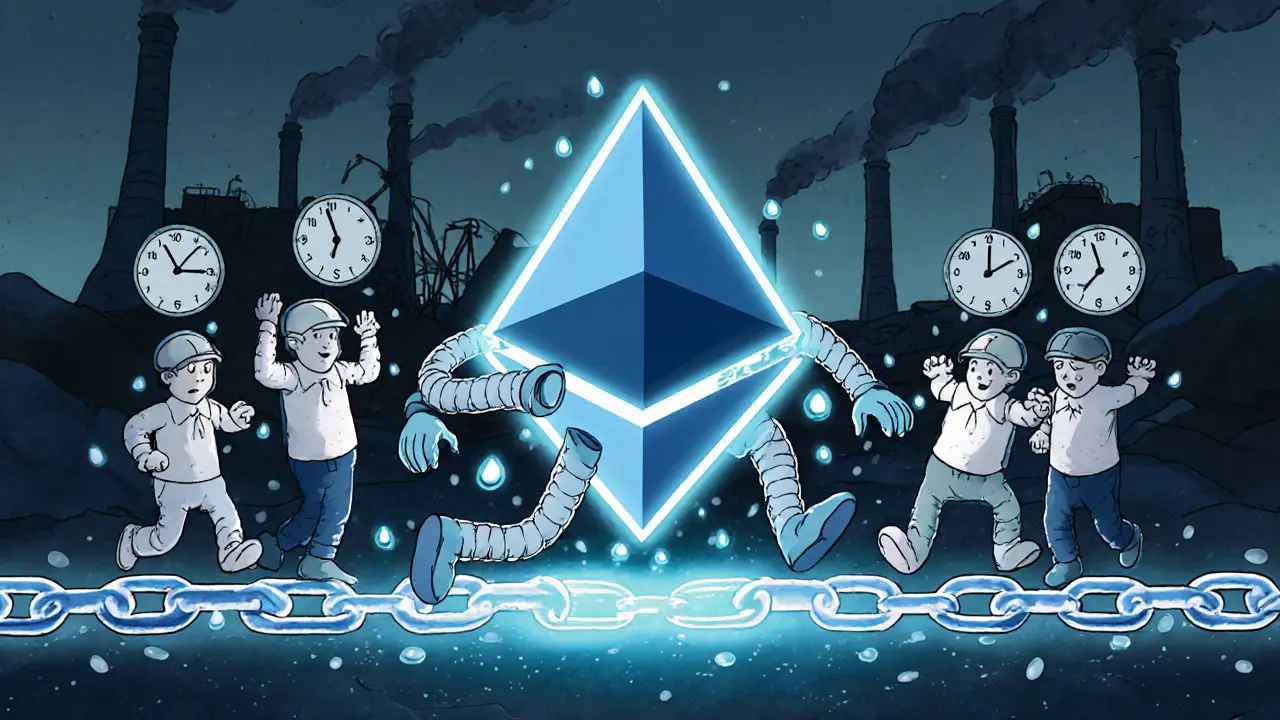
The Ethereum difficulty bomb was a hidden timer designed to force the network’s switch from energy-heavy mining to Proof of Stake. It worked-by making mining so slow and expensive that change became unavoidable.

No official RACA × Cambridge airdrop exists as of December 2025. Learn what RACA actually is, how real airdrops work, and how to avoid scams hiding behind fake Cambridge partnerships.
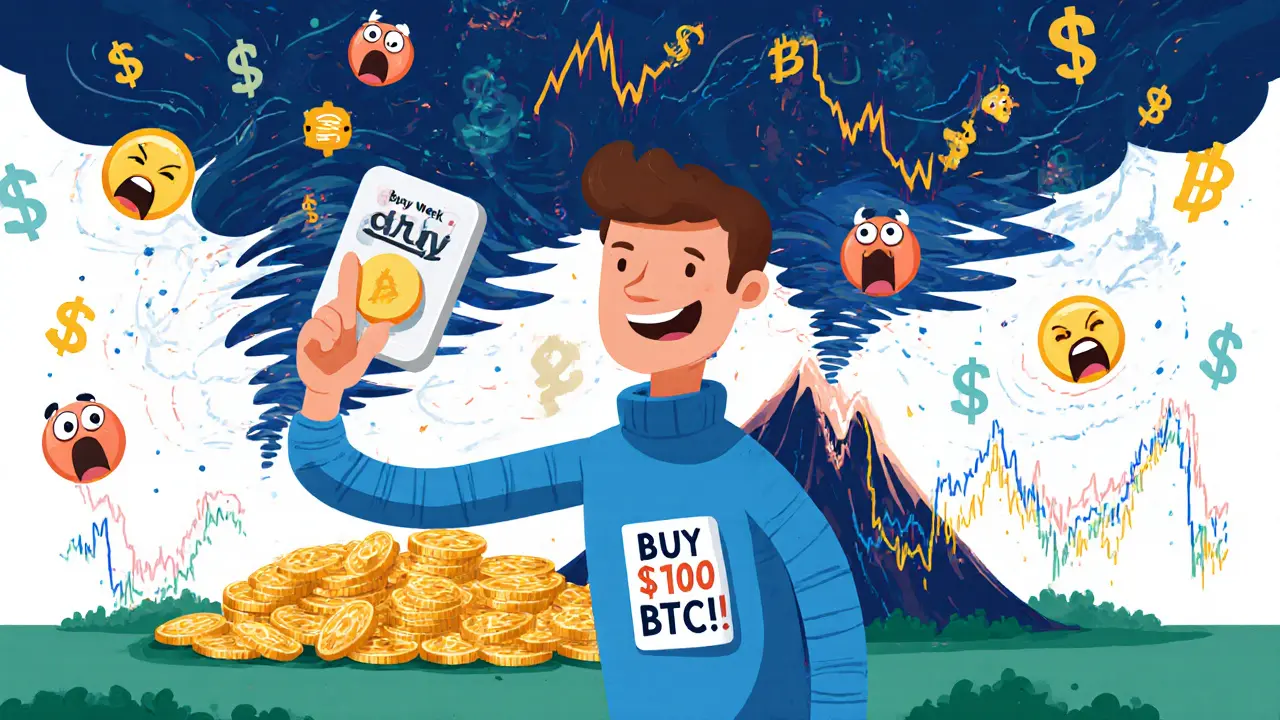
Dollar-cost averaging while HODLing is a simple, proven strategy to build crypto wealth without timing the market. Buy small amounts regularly, hold long-term, and let compounding work for you.
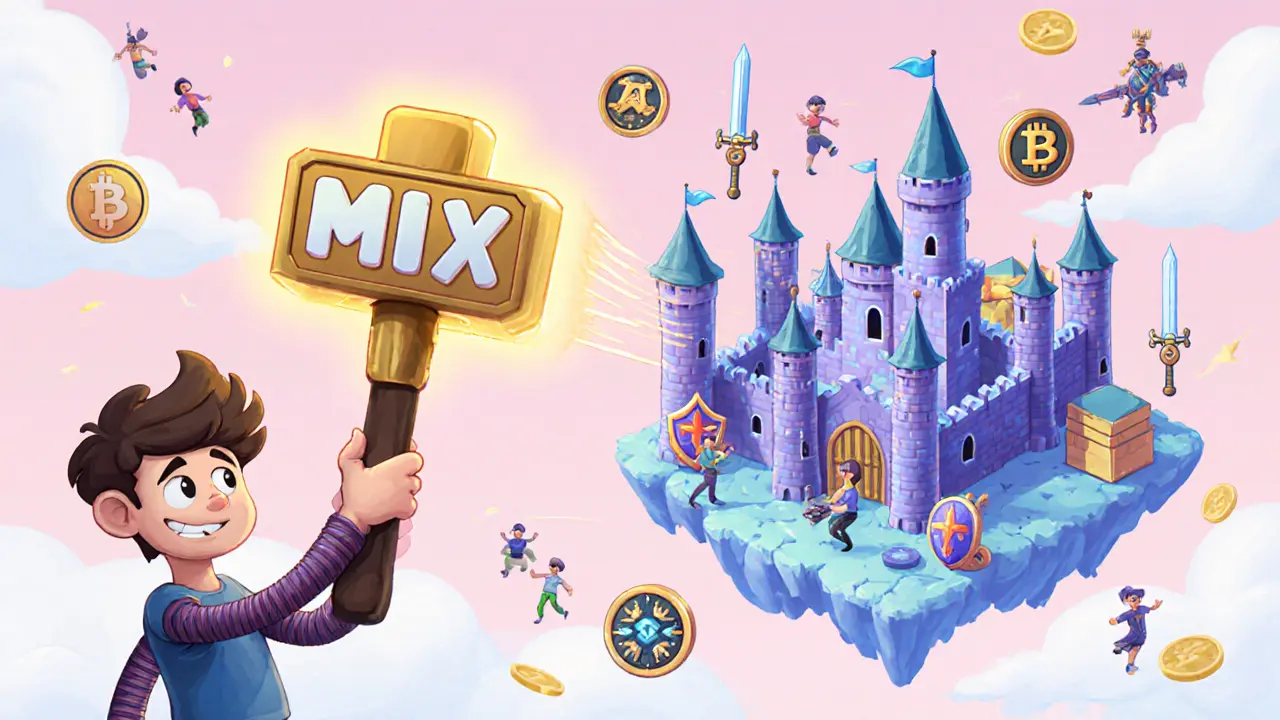
MixMarvel (MIX) is a blockchain platform for game developers that lets players own in-game items as NFTs. Learn how the token works, its market status, and whether it’s worth your attention in 2025.
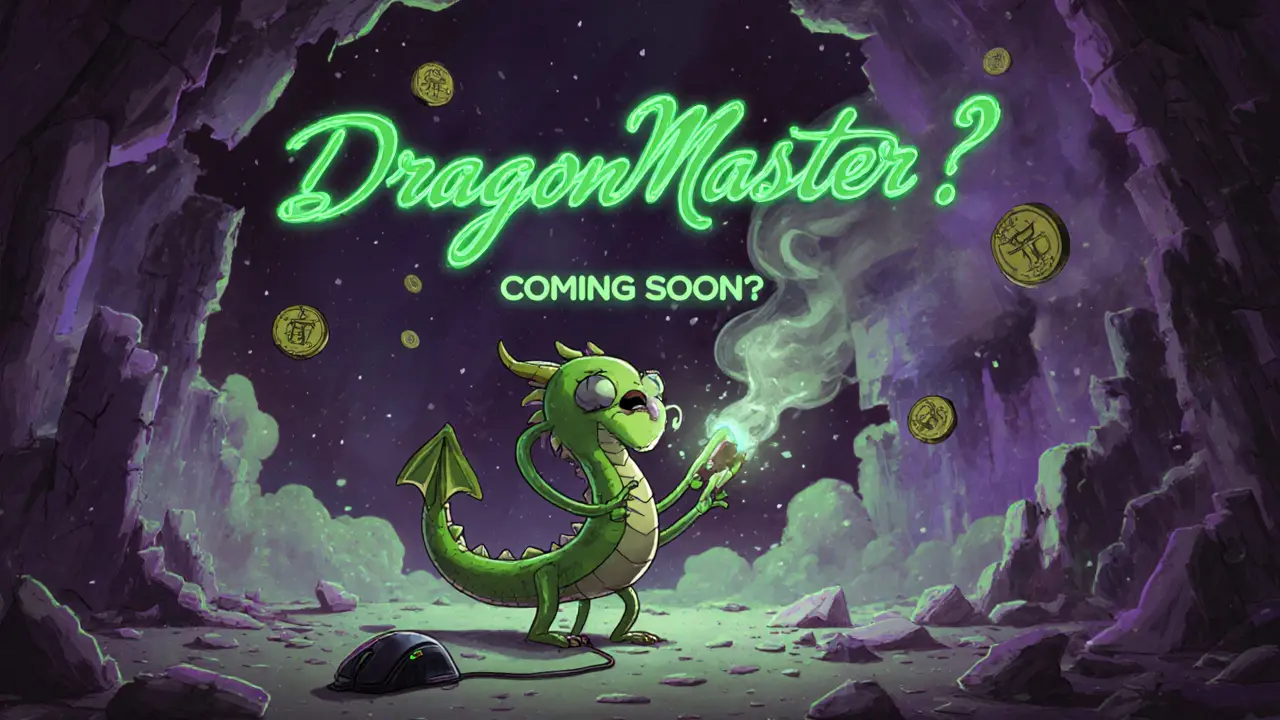
DragonMaster (DMT) is a low-liquidity crypto token tied to a nearly dead blockchain game. With a $1,650 market cap, no community, and no updates since 2022, it's not a viable investment - just a risky gamble.