Crypto Guide for March 2025: Wallets, Airdrops, and DeFi Trends
When navigating crypto, digital assets and blockchain-based systems that let you own and transfer value without banks. Also known as Web3, it changed fast in March 2025. New airdrops popped up with real eligibility rules, wallets got smarter about security, and DeFi protocols stopped pretending they were easy for beginners. This wasn’t hype season—it was cleanup season. People stopped chasing moonshots and started asking: Can I actually use this? Will it still work next month? That’s what the posts in this archive cover.
Cryptocurrency airdrops, free token distributions given to users who meet specific criteria like holding a coin or interacting with a smart contract weren’t just random giveaways anymore. In March, projects like Zeta Chain and LayerZero rolled out claimable tokens only after users completed multi-step actions—like bridging assets or staking for 14 days. No more signing up and waiting. You had to prove you were active. And wallets? crypto wallets, digital tools that store your private keys and let you send, receive, and manage crypto assets started auto-detecting eligible airdrops. MetaMask and Rabby Wallet added built-in alerts so you didn’t miss out. This wasn’t convenience—it was survival. If your wallet didn’t track these, you lost money.
DeFi, decentralized finance systems that replace banks with code, letting you lend, borrow, and earn interest without intermediaries got quieter but more solid. In March, the biggest move wasn’t a new protocol—it was the death of half a dozen fake yield farms. Real users started checking audit reports, not just APY numbers. Platforms like Aave and Curve saw real volume growth because they stopped hiding fees and made their risks clear. You didn’t need a PhD to understand them anymore. Just a checklist: Who audited this? What happens if the price drops 30%? Can I withdraw without paying $50 in gas?
March 2025 didn’t bring flashy new coins. It brought clarity. The posts here show you exactly how to spot a real airdrop, why your wallet settings matter more than your portfolio size, and how to pick DeFi tools that won’t vanish next week. No theory. No sales pitches. Just what worked—and what didn’t—when real people tried it. Below, you’ll find step-by-step guides, verified airdrop lists, and wallet setup checks that saved users hundreds in lost tokens. This is the stuff you actually need to know.

In 2025, the U.S. lifted sweeping sanctions on Syria while tightening them on Cuba. Crypto access in Syria is opening up, but legal gray areas remain. In Cuba, crypto use is growing under pressure. Here’s what it means for traders, businesses, and investors.

Using cryptocurrency to bypass sanctions is not anonymous or safe. Legal penalties include prison, fines, and asset seizures. Blockchain analytics make crypto transactions highly traceable, and regulators are actively prosecuting violators.

Learn exactly what you owe on crypto in 2025, how Form 1099-DA changes everything, and how to avoid IRS penalties. Includes tax rates, reporting rules, and what to do if you use DeFi.
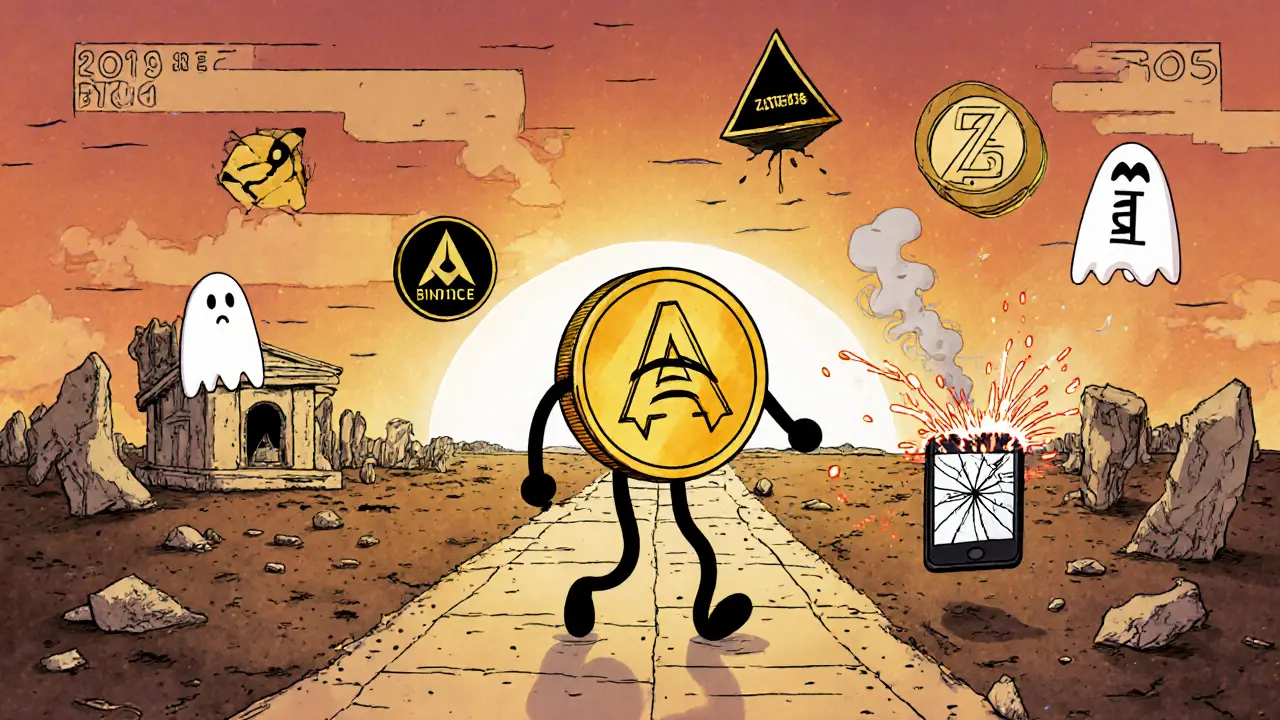
ALIAS is a privacy-focused crypto coin with strong technical features but near-zero adoption. Learn why its price crashed 98%, why it's nearly impossible to trade, and why experts call it a zombie coin.
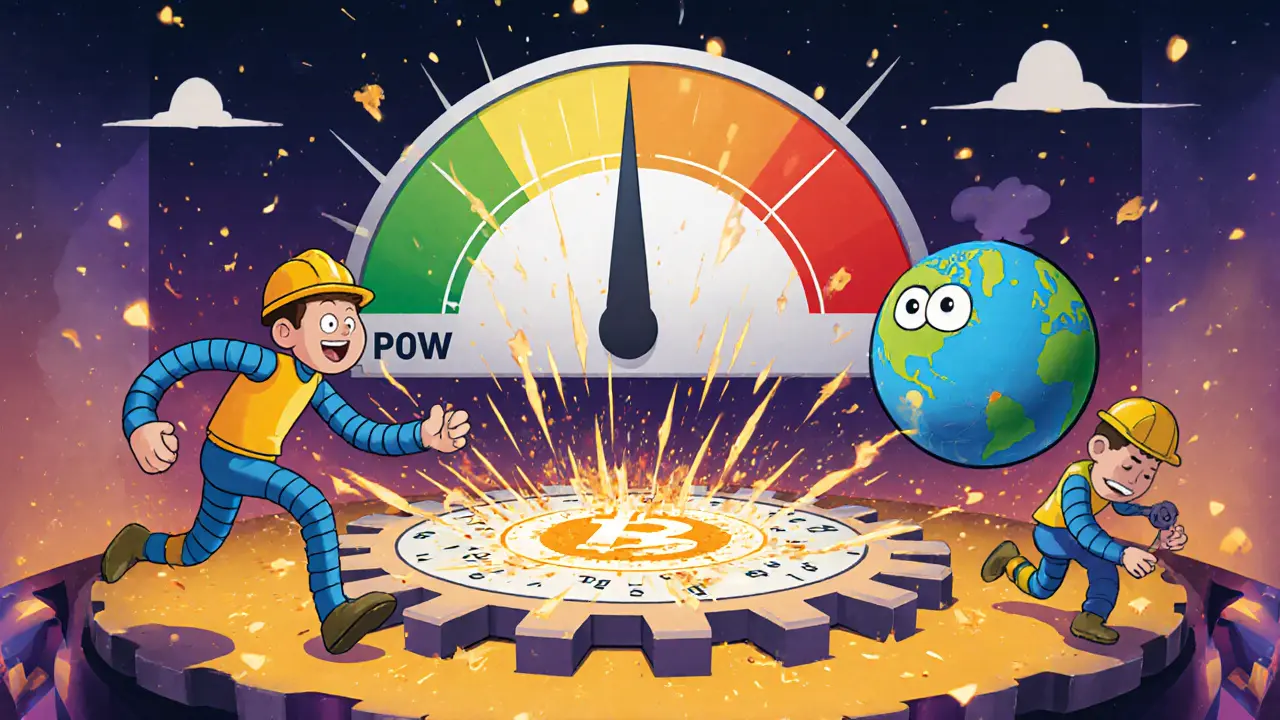
Learn how blockchain consensus mechanisms like Proof of Work, Proof of Stake, PBFT, and DPoS keep decentralized networks secure and in sync. Understand their trade-offs in speed, energy use, and decentralization.
12 Mar
2025

In 2025, Iranians use DAI on Polygon, VPNs, and Telegram P2P to bypass crypto bans caused by rial collapse. Learn how millions avoid government restrictions and protect their savings.

Learn how to buy cryptocurrency with Indian rupees in 2025 using UPI, bank transfers, and compliant exchanges. Understand taxes, security, and the best platforms for beginners and advanced users.