Blockchain Identity: What It Is and Why It Changes Everything
When you think about your online identity, you’re probably thinking of your email, password, or social media profile. But what if you could own your identity—like you own your crypto wallet? That’s blockchain identity, a system where you control your personal data on a decentralized ledger instead of letting companies store and sell it. Also known as self-sovereign identity, it turns your digital footprint from something you lose control over into something you manage with a private key. No more logging in with Google. No more forms asking for your birthdate, address, or ID scan. Just proof you’re who you say you are—without giving away everything else.
Blockchain identity isn’t just about privacy. It’s about trust. Take decentralized identity, a framework built on public blockchains that lets you verify credentials without relying on governments or banks. A university can issue a diploma as a verifiable credential tied to your wallet. An employer can check it instantly, without contacting the school. This isn’t theory—it’s already happening in pilot programs from the EU to Singapore. And it’s not just for documents. crypto identity, the practical use of blockchain to link real-world actions to on-chain behavior is being used in healthcare to track patient consent, in finance to prove income without sharing bank statements, and even in censored countries to prove you’re eligible for aid without revealing your location.
What makes this different from old-school usernames and passwords? Because blockchain identity is tamper-proof, portable, and permissionless. You don’t need approval to use it. You don’t need to wait for a company to fix your account. If you lose your key, you’re locked out—but that’s the point. It forces real ownership. And that’s why companies like Microsoft, the World Bank, and even some governments are testing it. They’re not doing it because it’s cool. They’re doing it because it cuts fraud, saves money, and gives people back control.
You’ll find posts here that show exactly how this plays out in the real world. Some explain how privacy-focused blockchains like Beldex let users prove identity without exposing data. Others break down protocols like Data Ownership Protocol that let businesses audit transactions while keeping personal info hidden. There are guides on how to use verifiable credentials with crypto wallets, and warnings about fake identity systems pretending to be secure. This isn’t about tech jargon. It’s about who owns your data—and whether you even know it’s being used.
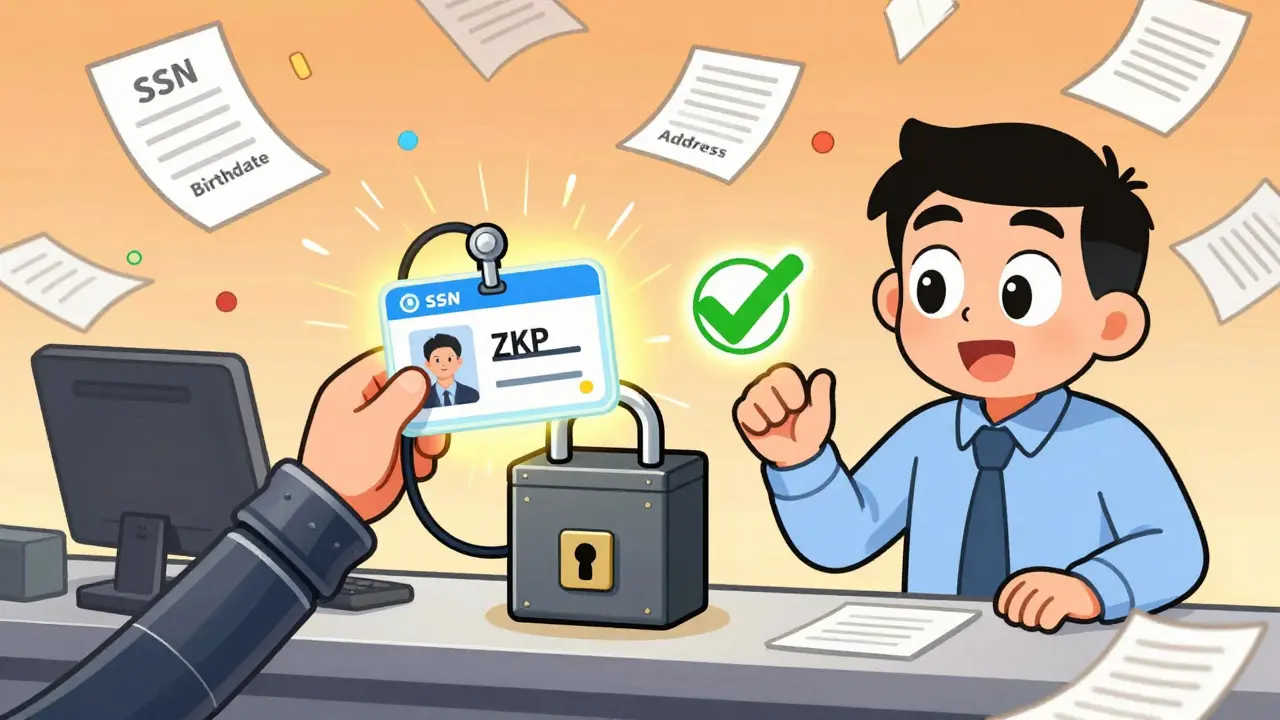
Privacy-preserving identity verification uses blockchain, zero-knowledge proofs, and decentralized IDs to let you prove who you are without sharing your personal data. It's transforming banking, healthcare, and government services.
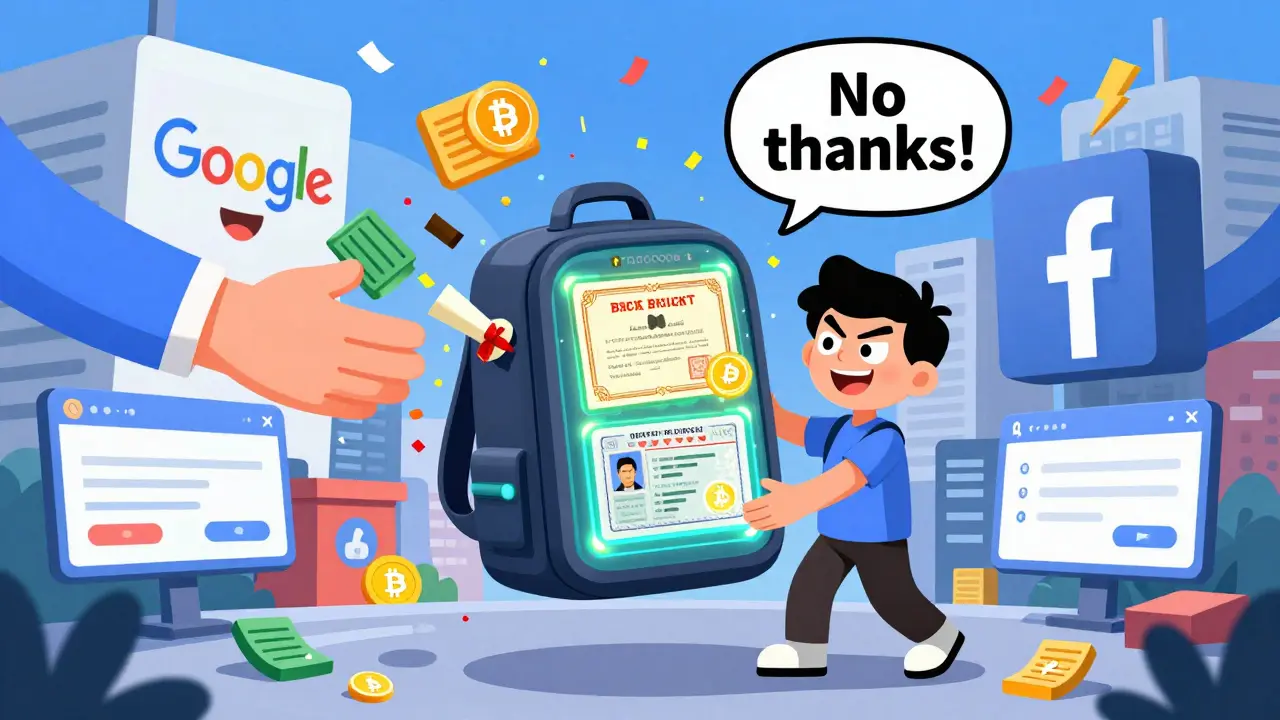
Self-sovereign identity on blockchain lets you own your digital identity instead of trusting companies with your data. Learn how DIDs, verifiable credentials, and blockchain work together to give you control, privacy, and security.