Crypto Regulation: What It Means for Your Wallet and How Governments Are Responding
When we talk about cryptocurrency regulation, the rules governments set to control how digital currencies are used, taxed, and monitored. Also known as crypto compliance, it’s no longer a debate—it’s a reality that impacts every wallet, exchange, and airdrop you touch. If you hold Bitcoin, trade on decentralized platforms, or even just got a free token from an airdrop, you’re already inside the system. And the rules are changing faster than most realize.
Some countries, like Colombia, let crypto exist in a gray zone—no formal laws, but no protection either. Others, like the UK, now demand real-time blockchain tracking to stop sanctioned entities from moving money. Russia uses tokens like A7A5 to bypass Western sanctions, while Iran’s miners operate under strict state control. These aren’t edge cases—they’re the new normal. crypto taxes, the obligation to report gains, losses, and income from digital assets to tax authorities are now enforced with Form 1099-DA in the US, and similar tools are rolling out globally. Miss a report? You’re not just risking fines—you’re risking audits, asset freezes, or worse.
And it’s not just about money. sanctions evasion, using crypto to move funds past government financial blocks is turning blockchain into a geopolitical tool. When Russia shifts billions through Grinex or Iranians use DAI on Polygon to dodge bans, regulators respond with tighter controls. That means exchanges like HitBTC and BCEX Korea, which lack oversight, are becoming dangerous. Even legitimate platforms like Crypto.com now face pressure to block users in restricted regions. Compliance isn’t optional—it’s survival.
What you’ll find below isn’t theory. These are real cases: how El Salvador’s Bitcoin law failed, why a UK crypto firm just got hit with a $5M fine, how formal verification is now required by regulators for DeFi protocols, and why mining in Iran is legal—but only if the state gets first pick. You’ll see how seed phrases and Merkle trees relate to security under regulation, how meme coins like Beckos fly under the radar, and why the next big airdrop might be a trap. This isn’t about predicting the future. It’s about understanding the rules that are already here—and how to protect yourself within them.
25 Feb
2026
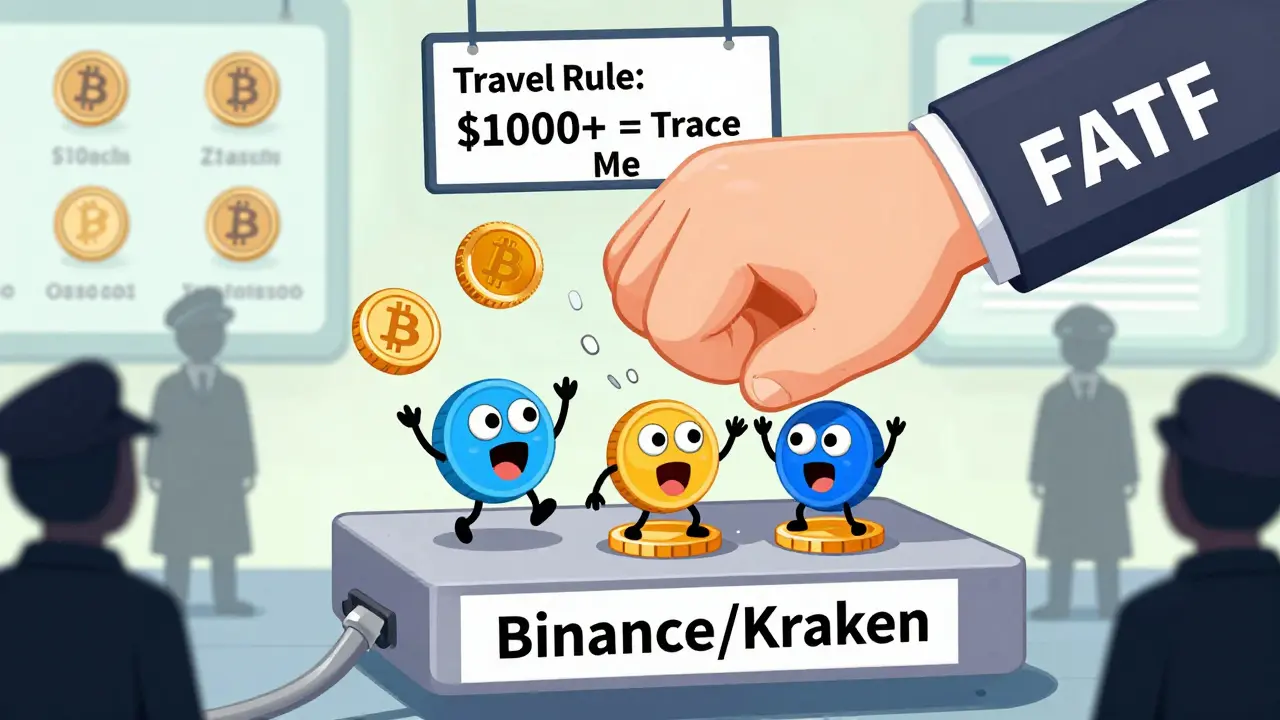
Major crypto exchanges delisted privacy coins like Monero and Zcash in 2025 due to global regulatory pressure. Despite bans, these coins surged in price as users moved to decentralized platforms. The battle between privacy and compliance is far from over.

Discover the top crypto-friendly jurisdictions in 2026 for blockchain businesses, including UAE, Switzerland, Cayman Islands, Germany, and Bermuda. Learn where to set up for zero taxes, clear regulations, and long-term stability.
17 Feb
2025

Discover the best countries for crypto trading in 2025 where low taxes, clear regulations, and strong infrastructure make trading safer and more profitable. From Switzerland's legal clarity to the UAE's zero-tax policy, find where to maximize your returns.

CEXs block users by location due to regulations, while DEXs offer global access - but only if you already have crypto. Learn how geography shapes crypto trading and where each platform works best.