Category: Cryptocurrency - Page 2
Learn how to qualify for up to 470 CONV tokens in the Convergence Finance x CoinMarketCap airdrop. Discover what CONV does, why this campaign matters, and whether it's worth your time.

The UAE offers 0% personal income tax on cryptocurrency gains, making it the world's top tax haven for crypto investors. Learn how to qualify, what's taxed, and how it compares to the U.S., U.K., and Germany.
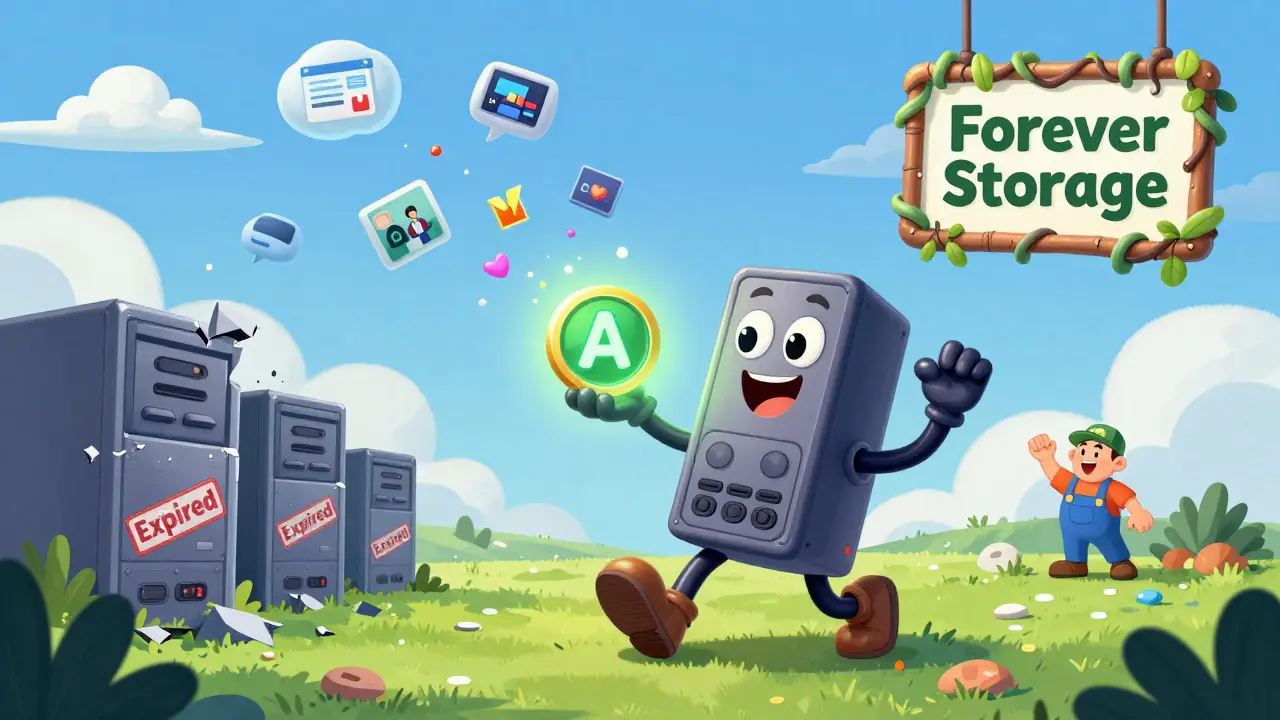
Arweave offers permanent, one-time payment data storage on a blockchain, keeping files alive for 200+ years without recurring fees. Unlike cloud services, it uses a unique Blockweave and endowment model to ensure data never disappears.
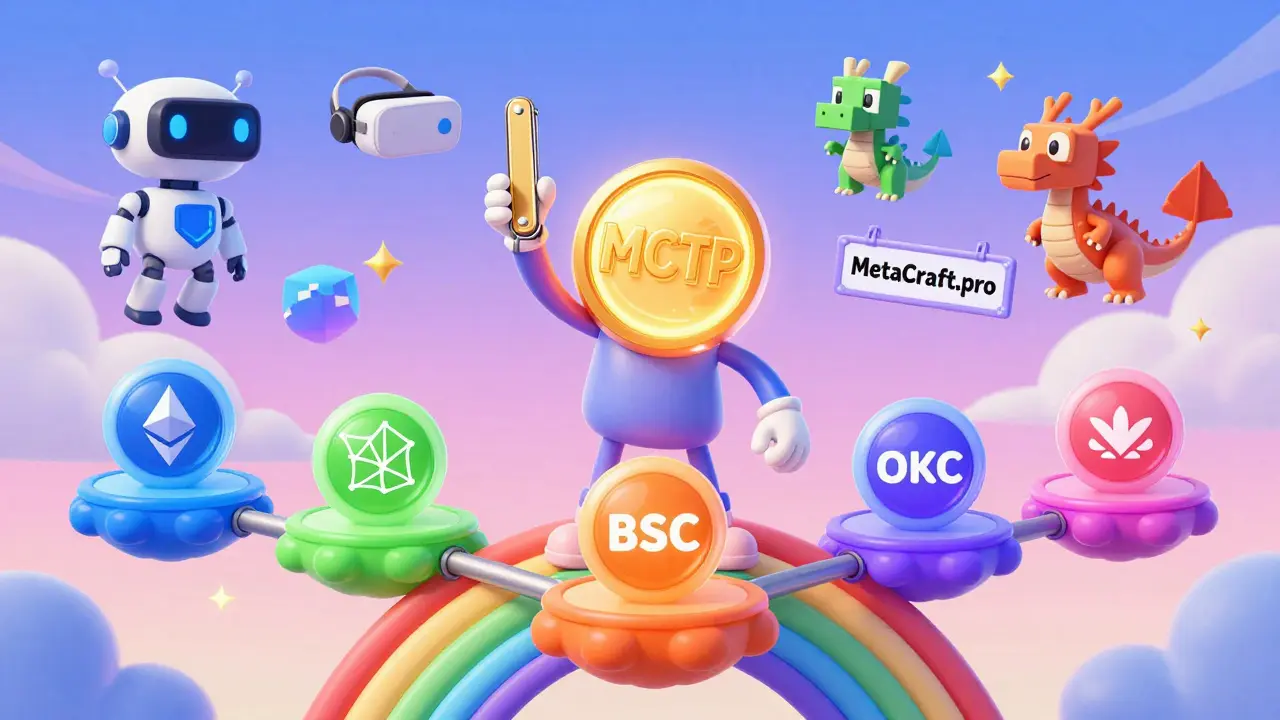
Metacraft (MCTP) is a multi-chain crypto token for NFT creation and gaming, but ticker confusion with other projects makes it risky. Learn what it actually does, its market乱象, and who it’s really for.
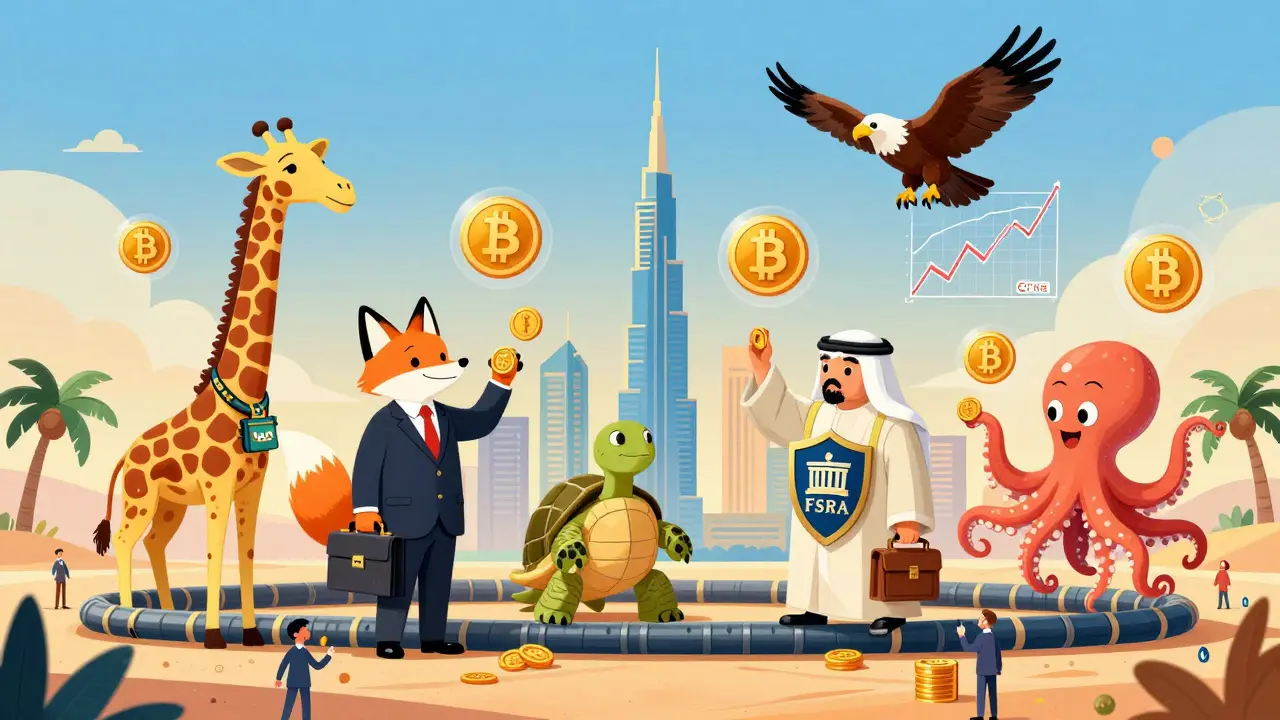
The UAE has built one of the world's clearest crypto frameworks, allowing Bitcoin and altcoin trading with no VAT, clear licensing rules, and mandatory reporting by 2028. Here's how it works in 2026.

Salad (SALD) is a Web3 crypto project that lets you earn tokens by playing games, learning, and doing microtasks. Not a get-rich-quick coin, but a real way to start using blockchain without spending money.
1 Mar
2026
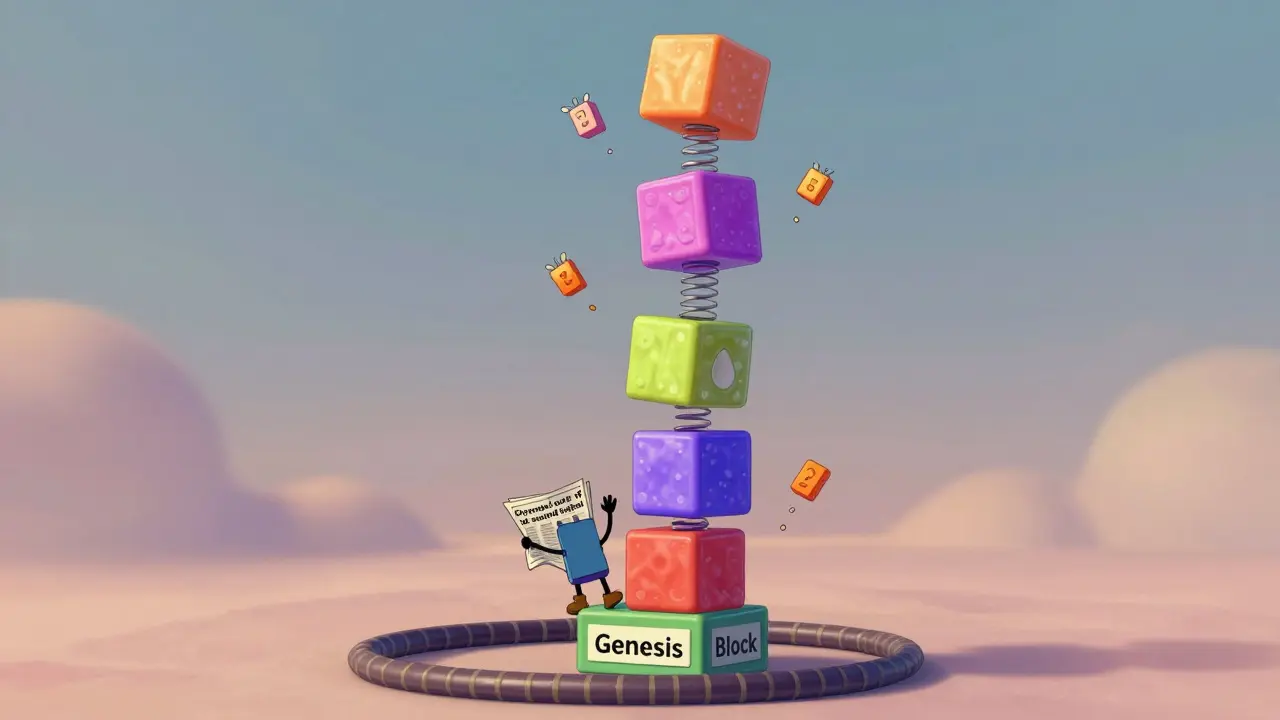
The genesis block is the first block in any blockchain, setting the foundation for all transactions and rules. Created in 2009 for Bitcoin, it's immutable, hardcoded, and carries symbolic meaning. Every crypto network relies on it to establish trust.
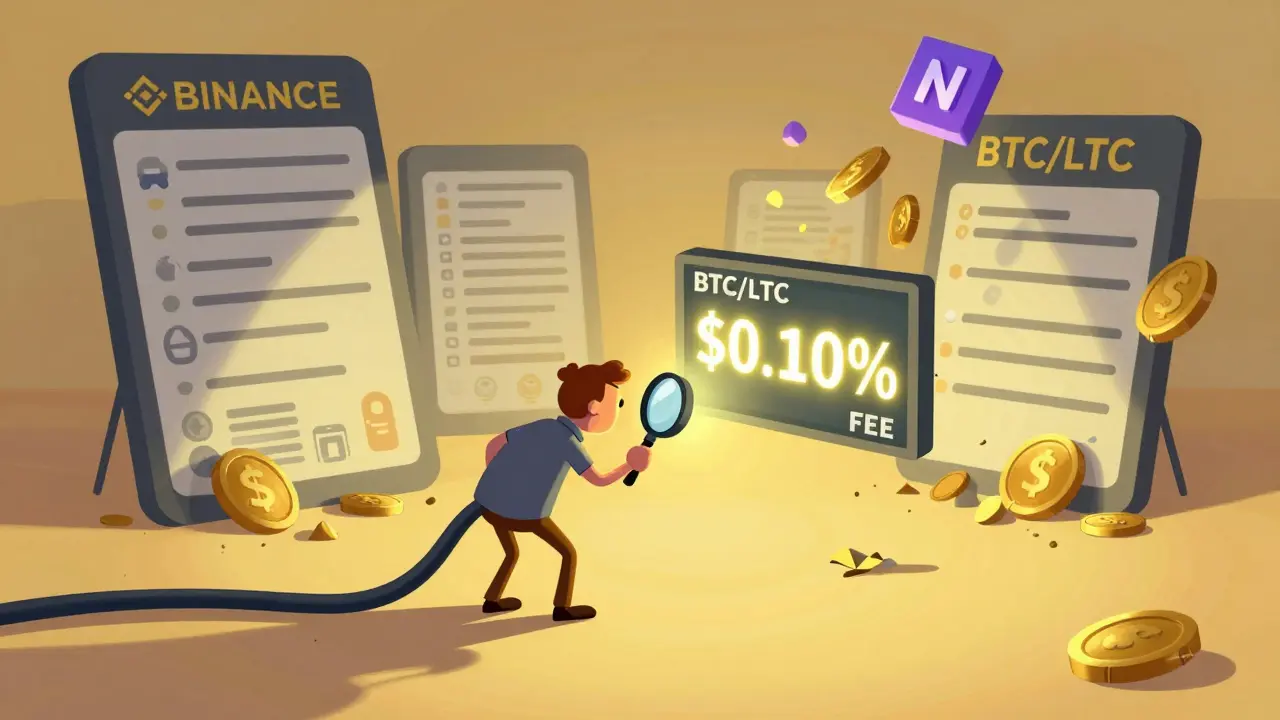
NLexch crypto exchange offers trading fees as low as 0.10%, making it one of the cheapest options for Bitcoin and Litecoin traders. But with no transparency on security, limited coin selection, and minimal support, it's only suitable for experienced traders who prioritize cost over features.
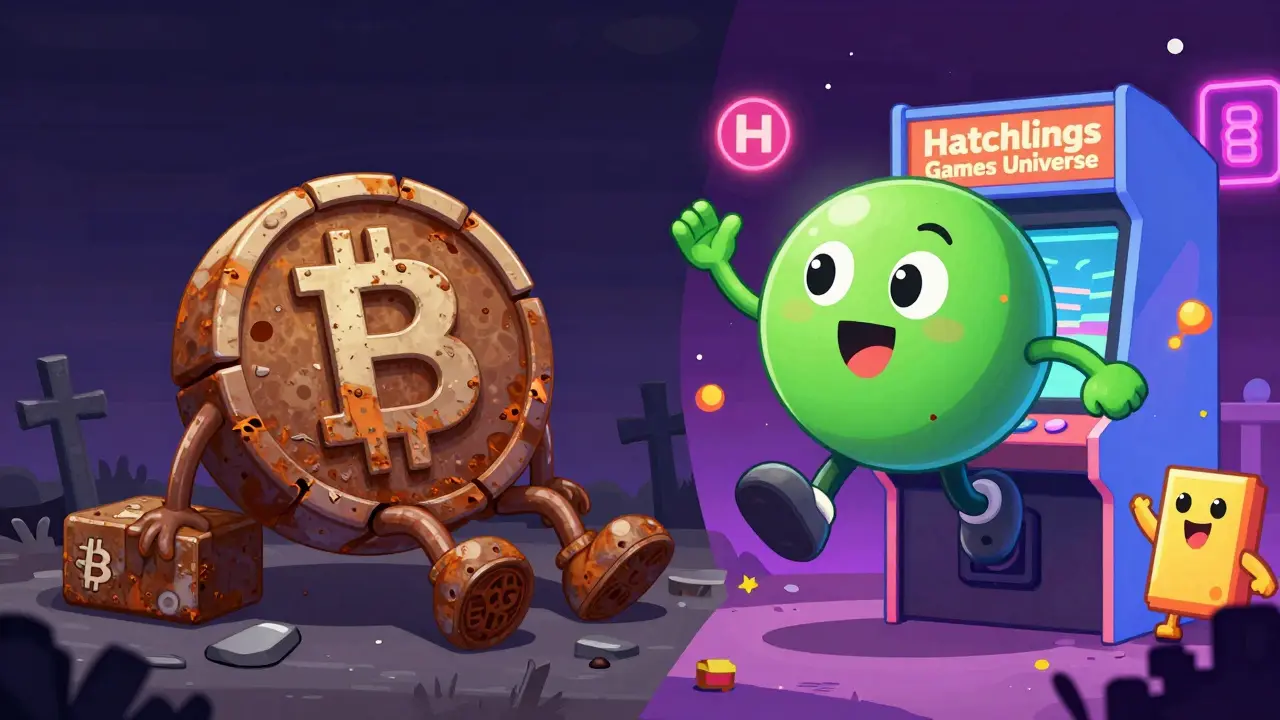
Hatch (HATCH) is actually two different cryptocurrencies: an old Bitcoin-based payment coin that may be dead, and a new 2025 gaming token on BNB Smart Chain. Learn the difference before you buy.
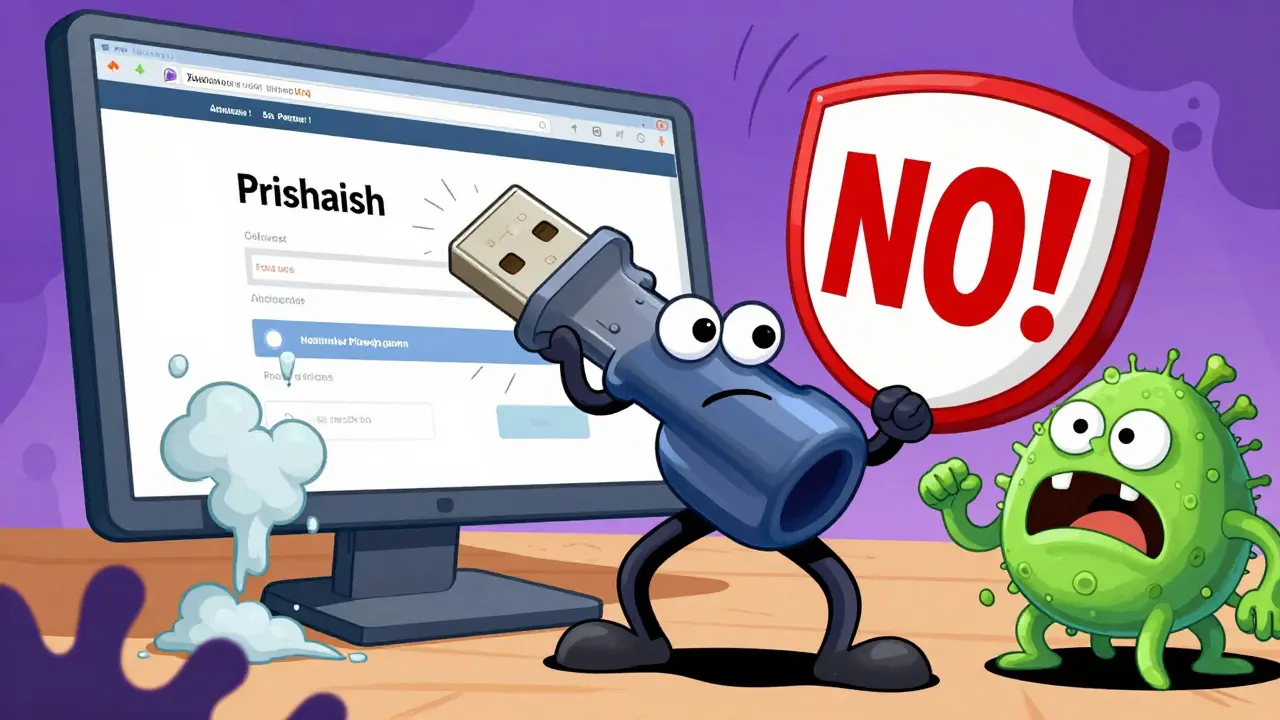
Hardware 2FA keys offer unmatched security against phishing and remote attacks, while software authenticators are convenient but vulnerable. For crypto holders, hardware keys are the gold standard - here's why.
25 Feb
2026
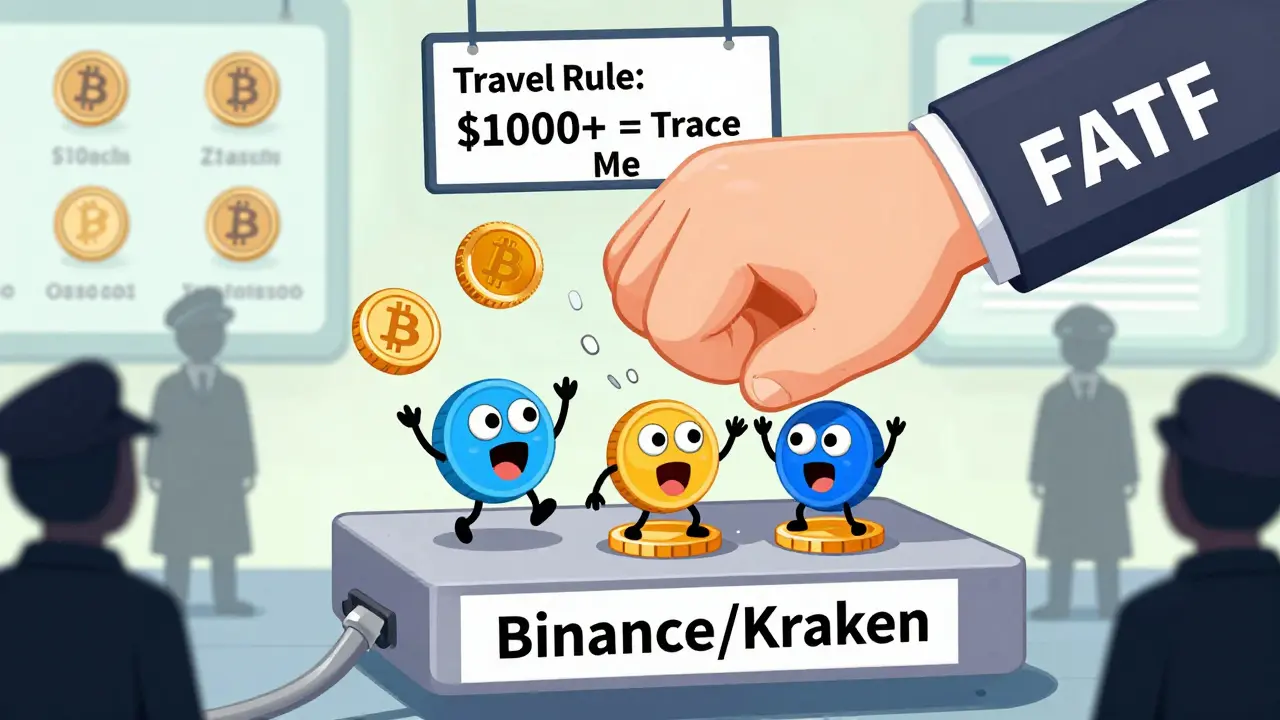
Major crypto exchanges delisted privacy coins like Monero and Zcash in 2025 due to global regulatory pressure. Despite bans, these coins surged in price as users moved to decentralized platforms. The battle between privacy and compliance is far from over.
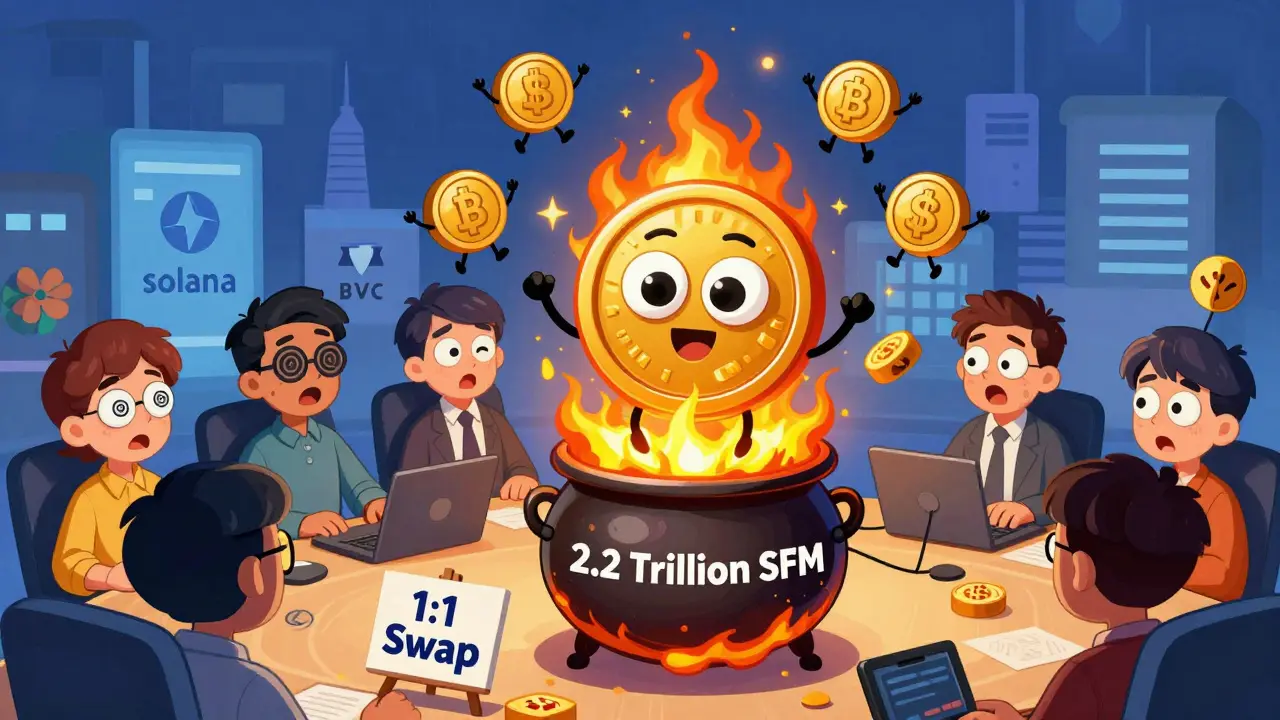
SafeMoon launched a community-driven airdrop in late 2024 after burning 2.2 trillion tokens and transitioning to full decentralization. Despite rumors of a 'SAFERmoon x CMC airdrop,' CoinMarketCap did not run the distribution. The new token is distributed gradually to prevent sell-offs, with a 10% transaction fee rewarding holders and boosting liquidity.